





Secure residential institution
According to the use classes set out in The Town and Country Planning (Use Classes) Order 1987 (as amended), secure residential institutions might include:
- Prisons.
- Young offenders institutions.
- Detention centres.
- Secure training centres.
- Custody centres.
- Short-term holding centres.
- Secure hospitals.
- Secure local authority accommodation.
- Military barracks.
This is as opposed to residential institutions, which can include; residential care homes, hospitals, nursing homes, residential schools, colleges, training centres.
Or non-residential institutions, which can include: clinics, health centres, crèches, day nurseries, day centres, schools, art galleries (other than for sale or hire), museums, libraries, halls, places of worship, church halls, law courts and non-residential education and training centres.
[edit] Find out more
[edit] Related articles on Designing Buildings Wiki
Featured articles and news
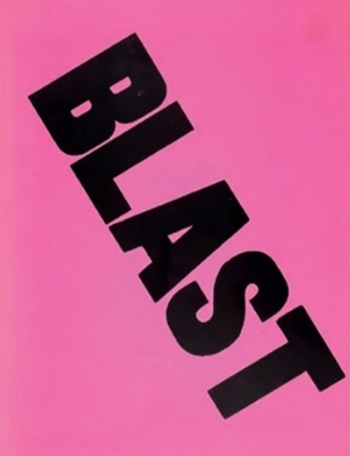
From medieval scribes to modern word art.

Electrical contractors welcome crackdown on late payment and push for clean energy.
Cyber Security in the Built Environment
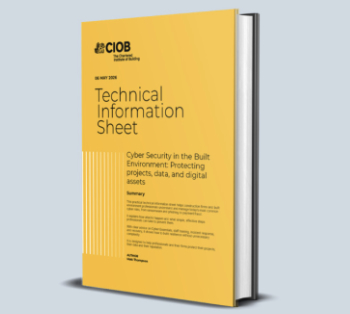
Protecting projects, data, and digital assets: A CIOB Academy TIS.
Managing competence in the built environment

ITFG publishes new industry guide on how to meet the ICC principles.

The UK's campaign to reduce noise pollution: Mythbusting, articles and topic guides.
Setting Expectations on Competence Management
Industry Competence Committee.
New Scottish and Welsh governments
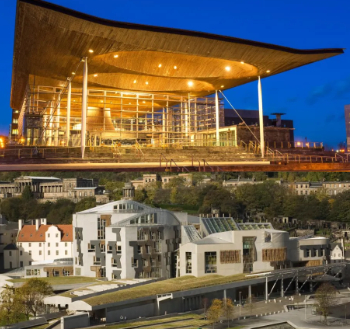
CIOB stresses importance of construction after new parliament elections.
The sad story of Derby Hippodrome
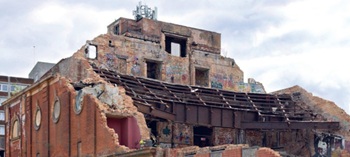
An historic building left to decay.

ECA, JIB and JTL back Fabian Society call to invest in skills for a stronger built environment workforce.

Women's Contributions to the Built Environment.
Calls for the delayed Circular Economy Strategy

Over 50 leading businesses, trade associations and professional bodies, including CIAT, and UKGBC sign open letter.
The future workforce: culture change and skill

Under the spotlight at UK Construction Week London.
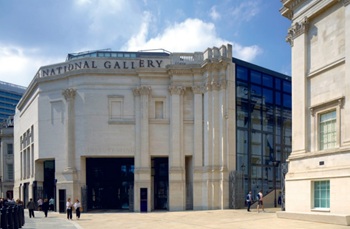
A landmark moment for postmodern heritage.