





Roofing repairs

Contents |
[edit] Introduction
The following overview may help homeowners gain confidence when making the decision about whether to replace or repair a roof.
[edit] One leak or many?
If the primary reason for the repair is a roof leak, it's important to clarify a few issues.
Determine whether or not the roof leaks in a single or multiple locations. Is it in a location that has leaked and been repaired repeatedly?
A single location, leaking for the first time, usually is not significant enough to prompt a full replacement. More likely that not, a single component of the roofing system (flashing, vent or a mis-nailed shingle) has failed, but the rest of the roof still could be in decent condition.
Leaks in multiple locations bode more ominous results. If multiple locations are having shingles loosen, nails rise or flashing fail, the chance of the roof being worn out are higher. When the same location has leaked and been repaired repeatedly, the same mistaken repair may be continuing to be performed.
It can be useful to get an assessment from a roof leak repair expert as to whether there is something un-repairable or if the past repairs addressed the wrong issue.
[edit] Leak location
Next, look at the roof leak location. Is it below, or in somewhat of a direct path below a skylight, vent, or pipe? Is it possibly at a valley or roof intersection where either one section of roof meets another or where the roof meets a wall? Or rather is it out in the middle of the roof field?
Leaks at intersections and valleys usually do not indicate that the condition of the roof is beyond repair. More likely, there are flashing issues.
Remember, there are very few leaks that are un-repairable. The issue becomes whether the roof has adequate remaining life to justify the repair's cost. However, leaks in the middle of a roof field with no nearby intrusions into the roof can be a bad sign.
[edit] Roof debris
If an unsightly roof (fungus or mildew stains or moss growth) is motivating the need for a new roof, it's important to find out more about what is under the stains or moss. A dirty roof does not always require replacement.
There are some roofs that will not withstand even the gentlest cleaning without sustaining damage. For example, there are some moss types and infestations that cannot be properly dislodged without stressing a roof. If a roof is on the borderline to start with, such a roof is best left alone. Money will be better spent on a new roof.
Aside from excessive moss infestations, cleaning the roof will most often help maintain roof life, specifically where growths such as moss could cause "micro-dams" on the roof and result in damage. Always be sure that the roof has adequate life remaining so maintenance will not be wasted.
[edit] Shingles
If the roof's shingles are starting to cup or curl upward, it may be time to consider replacing them. Cupping and curling are often signs of interior ventilation issues that result in excessive attic temperatures. It is a problem that could be corrected with a new roof installation as well, because it takes life off a roof that otherwise might have lasted longer.
Loose or dislodged shingles may signal an unfortunate, premature death of a roof. This may be a sign that the roofing material was installed incorrectly, even if the material itself has more life remaining.
Similar to leaks, the number of trouble spots will reveal a great deal. If there is only one trouble spot, repair should be sufficient. Multiple locations, however, indicate a bad installation that may justify replacement.
[edit] Related articles on Designing Buildings
Featured articles
Check out some of the best features and news from Designing Buildings as well as key stories from around the web.
Mayors are to be given planning call in powers

Mayors across England will be able to make the most important planning decisions.

The Master Builder: William Butterfield and his times. Book review.

Why construction can't afford to ignore the skills gap.
Building Safety Regulator, 19 August

Gill Kernick appointed Independent Chair of Residents’ Panel.
Connecting knowledge, technology and conservation
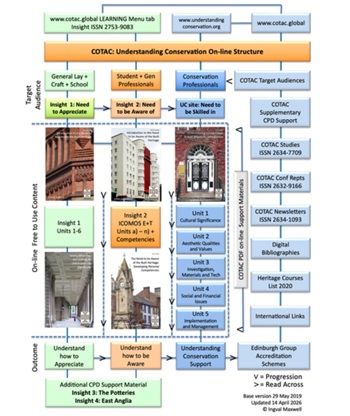
Building competence for the future of built heritage.
Building Regulations and Building Safety Act
CIOB publishes free advice for non-domestic clients.

Building Safety Newsletter from MHCLG.
An extraordinary record of steel engineering worldwide.

Households living near new pylons to save on bills.

ECA warns growth must not outpace grid capacity or skills.
The role of the client and decision making

CIOB response to built environment professions call for evidence.
Construction's sustainability reporting revolution
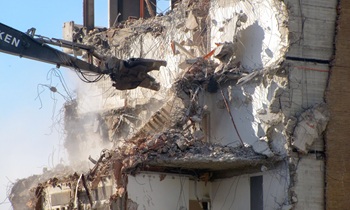
Tracking upfront embodied carbon with digital tools.