





Passive stack ventilation
Domestic Ventilation Compliance Guide, 2010 Edition (with 2011 amendments), published by the Department for Communities and Local Government in July 2011, defines passive stack ventilation (PSV) as: ‘…a ventilation system using ducts from terminals in the ceilings of rooms to terminals on the roof that extract air to outside by a combination of the natural stack effect and the pressure effects of wind passing over the roof of the building.’
Approved document F of the Buildings Regulations uses the same definition.
See also: Stack effect.
NB: Stack ventilation can also refer to secondary ventilation stacks used to overcome air pressure changes in pipework in high-rise buildings. For more information see: Secondary ventilation stacks in tall buildings.
[edit] Related articles on Designing Buildings
- Air change rates.
- Approved Document F.
- Background ventilator.
- Continuous mechanical extract ventilation.
- Cross ventilation.
- Displacement ventilation.
- Heat recovery ventilation.
- Mechanical ventilation.
- Natural ventilation.
- Secondary ventilation stacks in tall buildings.
- Stack effect.
- Thermal comfort.
- Underfloor air distribution.
- Ventilation.
- Whole building ventilation.
Featured articles
Check out some of the best features and news from Designing Buildings as well as key stories from around the web.

Your views needed - a strategy for the professions, trades and occupations.

Confronting competency, codes, capacity and costs.
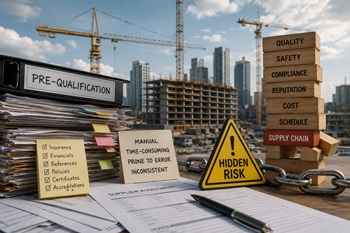
The hidden risk in modern construction supply chains.
Construction Management, 10 June

24 months to 14: CITB launches accelerated apprenticeships.
Bridging the gap between clients and contractors

Concerns remain around contractor quality, capability, and delivery.
Construction Management, 10 June.
Heat pumps beat boilers in new home tests.
Building Safety Act implementation in Wales

CIAT to host industry panel on 26 June.

New and updated CLC building safety guidance.
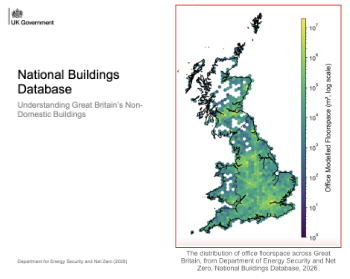
New UK National Buildings Database.
Building Safety Wiki Interviews

Chief executive of the British Woodworking Federation.
Planning condition discharge in England and Wales

A brief explanation from a building compliance expert, with further links.