





Mechanical digital lock
The Code of practice: Hardware for fire and escape doors, Issue 5, published by DHF and GAI in November 2024, defines a mechanical digital lock as 'A lock that is operated by a keypad with buttons set to a pre-determined code. Entering the correct code operates the lock.' They may also be referred to as a key pad lock or coded lock.
Mechanical digital locks have the advantage over standard mechanical locks in that they do not require a physical mechanical, electrical or magnetic key to open the lock and are therefore useful where access might be required by a higher number of users. For example such locks might be used in holiday accomodation, as entrances to commercial buildings, warehouses for various delivery workers, for internal doors between restricted areas as well as for lockers, cabinets and safes.
They are relatively common and easy to install. Such locks may also be installed as part of a smart locking system which is controlled by a device, smart phone or app, as a fail safe in the event that the smart lock malfunctions, still allowing entry through a mechanical key code pad.
[edit] Related articles on Designing Buildings
- Access control.
- CCTV.
- Commercial security systems.
- Digital door lock market.
- Doors.
- Entry control.
- External doors.
- Hinge.
- Home security solutions market.
- How door locks work.
- Mortice lock.
- Mortise vs mortice.
- Outbuildings security.
- Perimeter security.
- Security and the built environment.
- Security glazing.
- Sneck.
- Types of alarm.
- Types of door.
- Types of lock.
Featured articles
Check out some of the best features and news from Designing Buildings as well as key stories from around the web.
New and updated CLC building safety guidance.
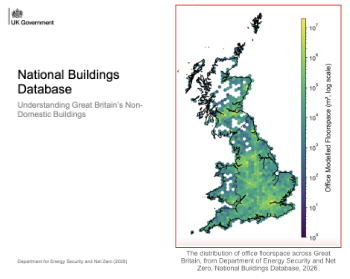
New UK National Buildings Database.
Building Safety Wiki Interviews

Chief executive of the British Woodworking Federation.
Planning condition discharge in England and Wales

A brief explanation from a building compliance expert, with further links.
Overheating guidance and tools for building designers

Guidance for dealing with element of building fabric control that have increasing importance.
Shading for housing, a design guide

From the Good Homes Alliance and British Blind and Shutter Association.
UK Standard Skills Classification (SSC)

A shared framework for describing skills needs.
Social media ban consultation comes to close

CIOB urges UK Government to consider social media’s role in careers guidance in ban debate.
The latest of eight Skills England apprenticeship units

The addition of battery manufacturing welcomed by ECA with a warning about the risks of fast-tracked apprenticeship units.
Building Control Independent Panel final report
A precis of a key report led by Dame Hackitt with full recommendations and link to the government response.
Building Safety recap April, 2026
A short and longer run-through of the month, with links to further information and sources.