





Living laboratory
According to the European Network of Living Labs (ENoLL) a living lab is "real-life test and experimentation environment that fosters co-creation and open innovation among the main actors of the Quadruple Helix Model, namely: Citizens, Government, Industry and Academia"
A team from MIT (William J. Mitchell, Kent Larson, and Alex (Sandy) Pentland) are credited with being the first to explore the concept of Living Laboratories. In principle it aims to be a user-centric research methodology for 'sensing, prototyping, validating and refining complex solutions in multiple and evolving real-life contexts'. Other definitions now more loosely define living labs as on site open innovation ecosystems, or test beds in real life situations (often urban based) involving a number of different actors, including user groups and often local government, but not always.
ENoLL, the European Network of Living Labs, describes living labs as having six building blocks;
- Orchestration: Orchestrates within the ecosystem to connect and partner up with relevant stakeholders.
- Multi-stakeholder participation: Holistic involvement of quadruple helix model stakeholders.
- Active user involvement: Actively involvement of stakeholders, with implemented feedback cycles.
- Co-creation: Bottom-up co-creation approach by stakeholders, to ensure a stronger end adoption.
- Real-life settings: Infuses innovation into real life sites rather than test sites to explore innovation uptake.
- Multi method approach: Problem driven with expected outcomes and stakeholder involvement.
[edit] Related articles on Designing Buildings
Featured articles and news
Costs and insolvencies mount for SMEs, despite growth

Construction sector under insolvency and wage bill pressure in part linked to National Insurance, says report.
The place for vitrified clay pipes in modern infrastructure
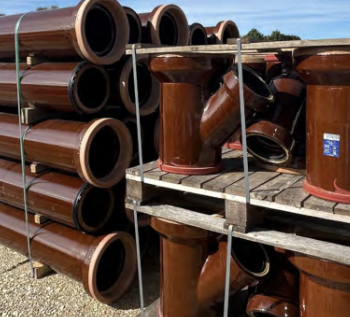
Why vitrified clay pipes are reclaiming their role in built projects.
Research by construction PR consultancy LMC published.
Roles and responsibilities of domestic clients
ACA Safety in Construction guide for domestic clients.
Fire door compliance in UK commercial buildings

Architect and manufacturer gives their low down.
Plumbing and heating for sustainability in new properties

Technical Engineer runs through changes in regulations, innovations in materials, and product systems.
Awareness of the Carbon Border Adjustment Mechanism
What CBAM is and what to do about it.
The new towns and strategic environmental assessments
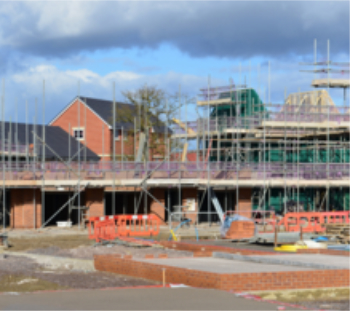
12 locations of the New Towns Taskforce reduced to 7 within the new towns draft programme and open consultation.
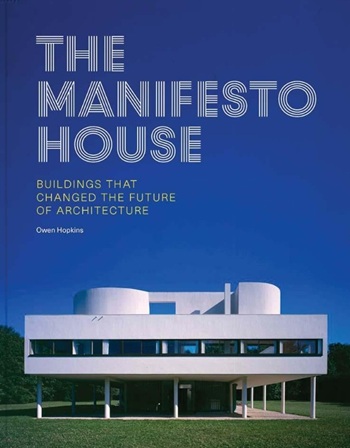
Buildings that changed the future of architecture. Book review.
The Sustainability Pathfinder© Handbook
Built environment agency launches free Pathfinder© tool to help businesses progress sustainability strategies.
Government outcome to the late payment consultation, ECA reacts.
IHBC 2025 Gus Astley Student Award winners

Work on the role of hewing in UK historic conservation a win for Jack Parker of Oxford Brookes University.
Future Homes Building Standards and plug-in solar
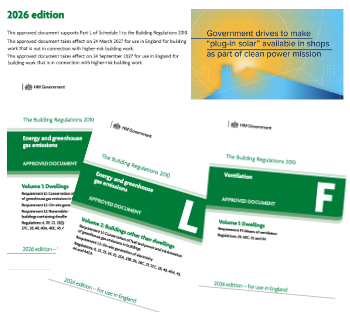
Parts F and L amendments, the availability of solar panels and industry responses.
How later living housing can help solve the housing crisis

Unlocking homes, unlocking lives.
Preparing safety case reports for HRBs under the BSA
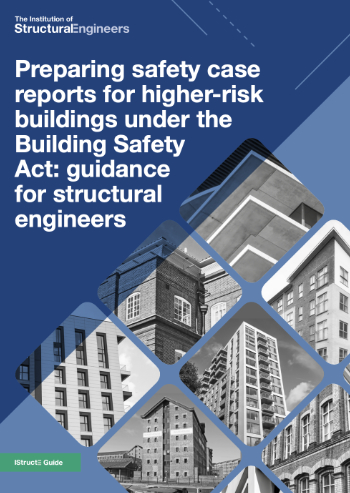
A new practical guide to preparing structural inputs for safety cases and safety case reports published by IStructE.
Male construction workers and prostate cancer

CIOB and Prostate Cancer UK encourage awareness of prostate cancer risks, and what to do about it.