





Green deal scrapped
On 23 July 2015, then-Climate Change Secretary Amber Rudd announced that there would be no further funding for the Green Deal Finance Company and that the government would stop any future funding releases of the Green Deal Home Improvement Fund. This was described as a move to protect taxpayers following low take-up and concerns about industry standards. (Ref. Gov.uk.)
The Green Deal was launched in 2012 to fund energy efficiency measures through long-term savings on electricity bills. By the end of June 2015 measures had been installed in around 10,000 properties using Green Deal finance, with an additional 5,600 Green Deal finance plans in progress.
However, the it had been criticised for poor quality, lack of uptake and the high cost of finance. In September 2014, the Energy and Climate Change Committee published Energy and Climate Change - Third Report The Green Deal: watching brief (part 2). This criticised the green deal, proposing that, '... the Government must re-evaluate its approach and set out a clear strategy to revive the failing scheme. Unless the package is made more attractive to a wider group of consumers, Green Deal finance is likely to remain unappealing to many.'
A letter from Lord Bourne (Parliamentary Under-Secretary of State at the Department of Energy & Climate Change) to Martin Callaghan, Chair of the Green Deal Finance Company, on 23 July 2015 stated, 'Taxpayers would expect us to take a hard-headed financial assessment, taking into account affordability in the current financial environment and the Government’s objectives. After careful consideration, the Secretary of State and I have concluded that the Government should not provide further financial support.' Ref Gov.uk.
Rudd suggested that the Government would work with the building industry and consumer groups on a new approach, but that future schemes must provide better value for money, supporting the goal of insulating a million more homes over the next five years and the Government’s commitment to tackle fuel poverty.
It was also announced that the Government has commissioned an independent review led by Dr Peter Bonfield, Chief Executive of the BRE Group, to look at standards, consumer protection and enforcement of energy efficiency schemes.
However, these announcements came in a month when the government scrapped the zero-carbon homes standards, abolished the role of Government Chief Construction Adviser and reduced the number of members of the Construction Leadership Council from 30 to 12.
Julie Hirigoyen, Chief Executive of the UK Green Building Council, said, “With each passing day, this government puts an end to another green policy. The government’s strategy on dealing with high energy bills through home energy efficiency is now dead in the water… While the Green Deal was by no means perfect, the principle of enabling households to install energy-saving measures without paying upfront costs was sound. The irony is that the scheme was finally becoming established and the number of plans was growing."
Ian Fletcher, Policy Director at the British Property Federation said, “It won’t come as a surprise to many to see that the government has decided to end its financing of the Green Deal Finance Company. Many will use this as an opportunity to bemoan the scheme and its failings, but of greater importance is where we go from here."
NB: The Framework to support the programme, remains in place to service existing Green Deal Plans and for any private finance providers wishing to enter the market.
In October 2017, a Call for Evidence was published alongside the Government’s Clean Growth Strategy. The call for evidence is intended to improve knowledge of stakeholders’ views on the Green Deal Framework and whether there is scope for changing it to better support needs.
[edit] Find out more
[edit] Related articles on Designing Buildings Wiki
Featured articles and news
Costs and insolvencies mount for SMEs, despite growth
Construction sector under insolvency and wage bill pressure in part linked to National Insurance, says report.
The place for vitrified clay pipes in modern infrastructure
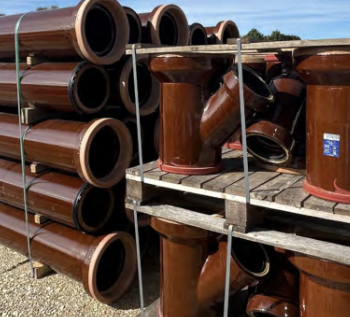
Why vitrified clay pipes are reclaiming their role in built projects.

Research by construction PR consultancy LMC published.
Roles and responsibilities of domestic clients

ACA Safety in Construction guide for domestic clients.
Fire door compliance in UK commercial buildings

Architect and manufacturer gives their low down.
Plumbing and heating for sustainability in new properties
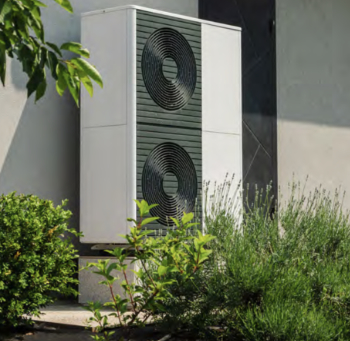
Technical Engineer runs through changes in regulations, innovations in materials, and product systems.
Awareness of the Carbon Border Adjustment Mechanism
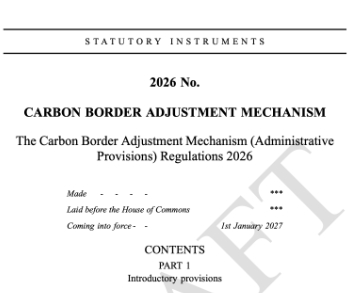
What CBAM is and what to do about it.
The new towns and strategic environmental assessments
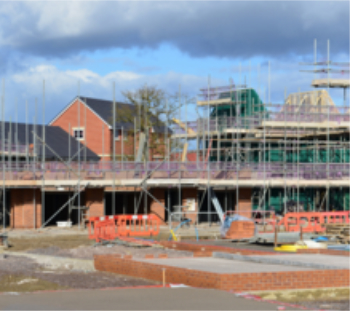
12 locations of the New Towns Taskforce reduced to 7 within the new towns draft programme and open consultation.
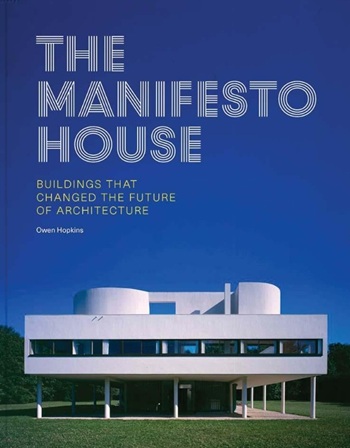
Buildings that changed the future of architecture. Book review.
The Sustainability Pathfinder© Handbook
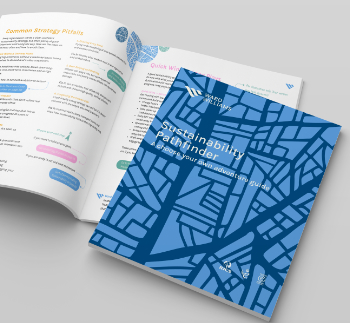
Built environment agency launches free Pathfinder© tool to help businesses progress sustainability strategies.
Government outcome to the late payment consultation, ECA reacts.
IHBC 2025 Gus Astley Student Award winners
Work on the role of hewing in UK historic conservation a win for Jack Parker of Oxford Brookes University.
Future Homes Building Standards and plug-in solar
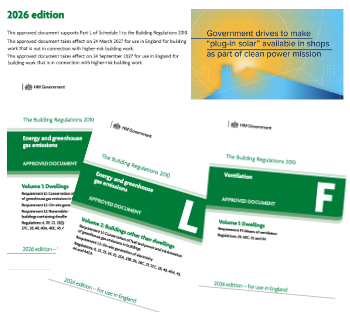
Parts F and L amendments, the availability of solar panels and industry responses.
How later living housing can help solve the housing crisis
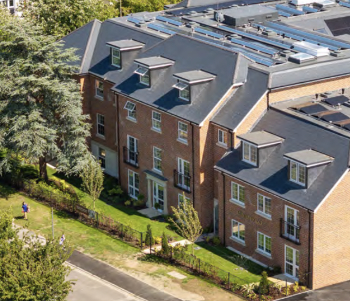
Unlocking homes, unlocking lives.
Preparing safety case reports for HRBs under the BSA
A new practical guide to preparing structural inputs for safety cases and safety case reports published by IStructE.
Male construction workers and prostate cancer
CIOB and Prostate Cancer UK encourage awareness of prostate cancer risks, and what to do about it.