




Flexible MDF

Flexible MDF is a type of machine engineered medium-density fibreboard that comes in various thicknesses, normally 6 or 9mm. The board has a series of parallel kerf cuts (the size of a blade) on one side, at around 5mm spacings throughout the board, leaving around one third of the board solid on one side. The cuts allow the board to bend into curves in one direction, within recommended limits.
Flexible MDF is often used in semi-temporary fit outs, such as exhibition stands and shop fit-outs as a cheaper alternative to flexiply. It is less hard wearing than the plywood equivalent. Care should be taken when cutting any MDF products due to the fine particles that are glued together to make the product.
[edit] Related articles on Designing Buildings
- Adhesives.
- Blockboard.
- Chipboard.
- Cross-laminated timber.
- Engineered bamboo.
- Engineered wood products.
- Glulam.
- High-density fibreboard
- Laminated veneer lumber LVL.
- Lime wood.
- Low-density fibreboard
- Medium-density fibreboard
- Modified wood.
- Oriented strand board.
- Plywood.
- Softwood.
- Timber.
- Timber construction for London.
- Timber preservation.
- Timber vs wood.
- Types of timber.
- Wood fibreboard.
Featured articles
Check out some of the best features and news from Designing Buildings as well as key stories from around the web.
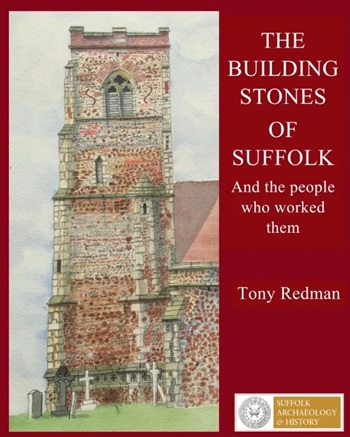
The Building Stones of Suffolk. Book review.
ECA calls for an exemption for contractors working away from home.
Fire performance of thermal insulation
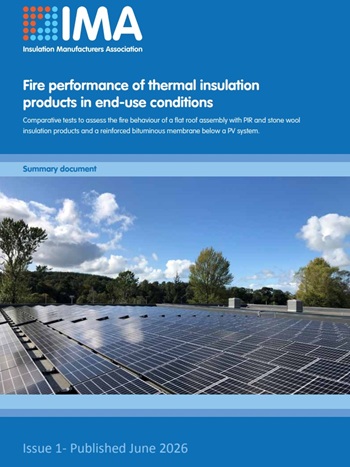
Flat roof assemblies with PV.
Become a Professional Development Partner

CIOB launches a new framework for staff development and chartered membership.
Dorset's first conservation campaigner?
Gov.uk - Hot-rolled steel plate

New anti-dumping measure imposed on South Korea.
ECA responds to the Milburn Report

Youth employment to be linked to workforce demand.
The construction industry urgently needs to attract new talent
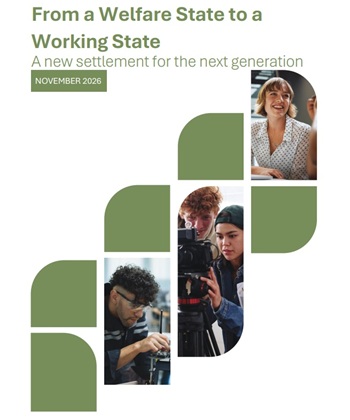
CIOB responds to Neets report.
Grenfell Tower community update
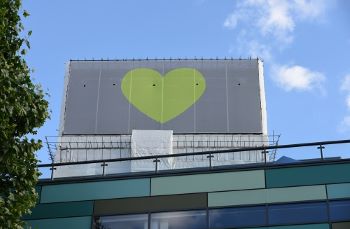
Memorial columns to be retained as careful dismantling continues.
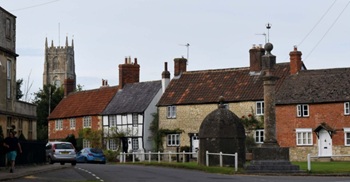
When buildings reflected the local resources available.

CIOB reports 57% are using artificial intelligence technologies.

More of England’s ‘hidden heroes’ will be celebrated.