





Fayol's 14 principles of management
Henri Fayol was a French engineer born in 1894 who worked in the mining industry. He is said to be the father of modern management and his theories and principles are still respected today.
He gained experience working in the mines and improved the company he worked in from verge of bankruptcy to success. He wrote a book ‘General and Industrial Management’ that captures the 14 principles of management that can be used across any industry and which he believes can be taught.
The principles are:
- Division of work - Workers with specialist skills becomes increasingly skilled and more efficient, which can increase productivity.
- Authority and responsibility - Managers must be allowed the authority to give orders but they must be aware of the responsibility that comes with it.
- Discipline - Discipline must be upheld but the methods are flexible.
- Unity of command - Employees should have only one direct supervisor.
- Unity of direction - Teams with the same objective should be working under the direction of one manager, using one plan. This will ensure a well-coordinated execution.
- Subordination of individual interest to the general interest - The team as a whole is more important than the individual, including the manager.
- Remuneration - Fair remuneration will lead to satisfied workers. This might include both financial and non-financial rewards.
- Centralisation - Decision making should be balanced in terms of employee involvement.
- Scaler chain - Employees should be clear of their position concerning the business hierarchy.
- Order - The workplace should be clean, safe and tidy.
- Equity - Managers should maintain fairness to all employees and apply discipline but also kindness.
- Stability of tenure of personnel - Managers should strive to minimise personnel turnover.
- Initiative - Employees should have appropriate freedom to create and carry out plans.
- Esprit de corps - Organisations should strive to promote team spirit, loyalty and unity.
[edit] Related articles on Designing Buildings Wiki
- A new theory for managing large complex projects.
- Code of practice for project management.
- Code of practice for programme management.
- Guide to managing construction projects.
- How to become a construction manager.
- How to manage construction plant.
- Leadership on design and construction projects.
- Leadership styles.
- Lean construction.
- Lean Six Sigma.
- Lean thinking.
- Management structure for construction clients.
- Performance management plan.
- Practice management.
- Relationship management.
- Total quality management in construction.
- Value management.
Featured articles
Check out some of the best features and news from Designing Buildings as well as key stories from around the web.
The importance of early engagement

Construction lessons from the Trillium HealthWorks Experience Centre.
Mayors are to be given planning call in powers

Mayors across England will be able to make the most important planning decisions.
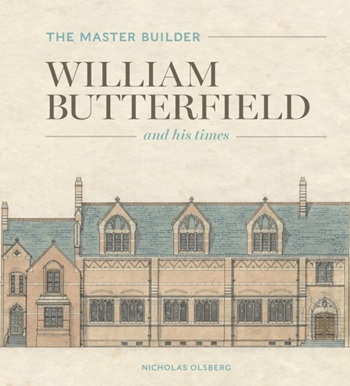
The Master Builder: William Butterfield and his times. Book review.

Why construction can't afford to ignore the skills gap.
Building Safety Regulator, 19 August

Gill Kernick appointed Independent Chair of Residents’ Panel.
Connecting knowledge, technology and conservation
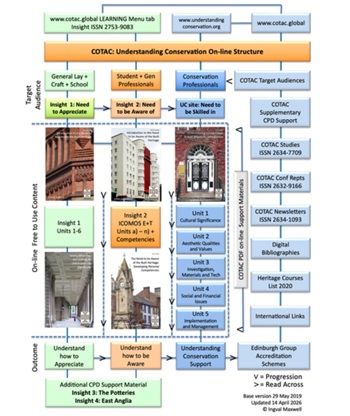
Building competence for the future of built heritage.
Building Regulations and Building Safety Act
CIOB publishes free advice for non-domestic clients.

Building Safety Newsletter from MHCLG.
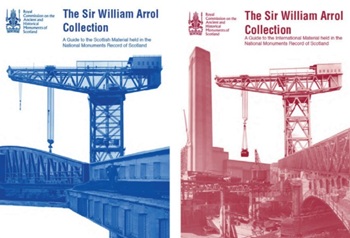
An extraordinary record of steel engineering worldwide.

Households living near new pylons to save on bills.

ECA warns growth must not outpace grid capacity or skills.
The role of the client and decision making

CIOB response to built environment professions call for evidence.