






Energy supply disruption
This article is based on a blog post by --BSRIA’s Henry Lawson, published on 16 November 2015.
Did you hear about the crisis that hit the UK on 4th November 2015, causing massive disruption and provoking an outcry in industry, sending energy rocketing back up the UK’s political agenda?
You probably didn’t, because the first major threat to the UK’s national grid this winter still left it with 2% spare capacity, sufficient for the National Grid to issue a ‘notification of inadequate system margin’ (NISM), but not enough to disrupt the service.
While this was only the first stage of alert, and while an abnormal lack of wind was an aggravating factor, bringing the UK’s wind-generating capacity almost to a halt, one of the mildest starts to November on record may have helped to save the day. As so often in human affairs, a near miss is treated as a near non-event. A single hit on the other hand could have major repercussions, prompting urgent action not just on the resilience of the UK’s national grid, but on how buildings respond to peaks and troughs in energy demand.
One of the noticeable trends during recent years is that more suppliers of building energy management solutions include some form of Demand Response as part of their solution. This enables a temporary reduction in the power drawn by certain services in the building where this does not impact on productivity or wellbeing.
The latest BSRIA review of global leaders in Building Energy Management showed that almost half now offer demand response, the highest figure seen to date. This includes both the global leaders in Building Automation and Energy Management and suppliers specialising in energy management.
At the same time, energy storage is being taken more serious as a viable and cost-effective way of providing additional resilience and peak capacity, both for energy suppliers and in some cases for consumers. While the UK is still some way from having a thriving market in home energy storage systems comparable to that developing in Germany (where residential electricity is significantly more expensive), it seems likely that any significant grid outages will give a boost to the market for battery storage for both residential and non-residential use.
It is still quite hard to judge how probable a major power outage is in the UK this winter. There are additional processes for demand reduction which can be invoked if the situation gets tighter than it did on November 4th. However a coincidence of severe cold with a lack of wind and unplanned outages at power stations is not inconceivable, and major strategic initiatives, such as the construction of two new nuclear power plants, will take years to come online.
The UK has become used to living dangerously, and so far has got away with it. But the sensible response to a lucky escape is to learn the lessons, and not to assume that your luck will go on holding indefinitely. All organisations should be looking at the potential implications of even a short interruption to power supplies, and how they can best mitigate these.
[edit] Find out more
[edit] Related articles on Designing Buildings Wiki
Featured articles and news
Costs and insolvencies mount for SMEs, despite growth

Construction sector under insolvency and wage bill pressure in part linked to National Insurance, says report.
The place for vitrified clay pipes in modern infrastructure
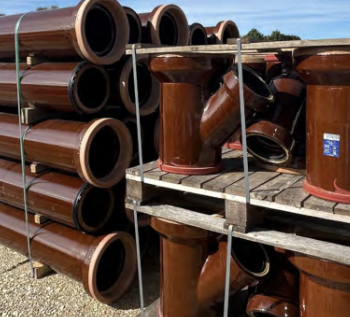
Why vitrified clay pipes are reclaiming their role in built projects.

Research by construction PR consultancy LMC published.
Roles and responsibilities of domestic clients

ACA Safety in Construction guide for domestic clients.
Fire door compliance in UK commercial buildings

Architect and manufacturer gives their low down.
Plumbing and heating for sustainability in new properties
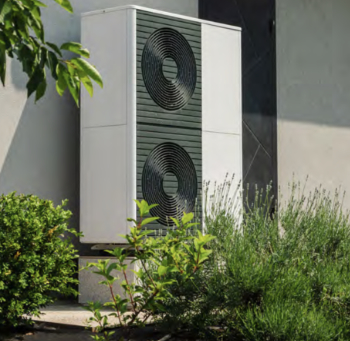
Technical Engineer runs through changes in regulations, innovations in materials, and product systems.
Awareness of the Carbon Border Adjustment Mechanism
What CBAM is and what to do about it.
The new towns and strategic environmental assessments
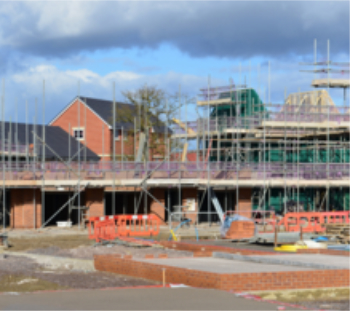
12 locations of the New Towns Taskforce reduced to 7 within the new towns draft programme and open consultation.
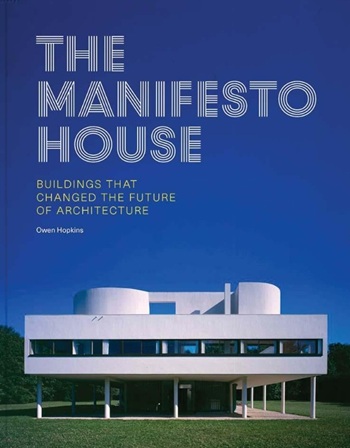
Buildings that changed the future of architecture. Book review.
The Sustainability Pathfinder© Handbook
Built environment agency launches free Pathfinder© tool to help businesses progress sustainability strategies.
Government outcome to the late payment consultation, ECA reacts.
IHBC 2025 Gus Astley Student Award winners
Work on the role of hewing in UK historic conservation a win for Jack Parker of Oxford Brookes University.
Future Homes Building Standards and plug-in solar
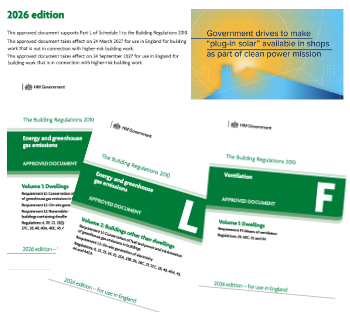
Parts F and L amendments, the availability of solar panels and industry responses.
How later living housing can help solve the housing crisis

Unlocking homes, unlocking lives.
Preparing safety case reports for HRBs under the BSA
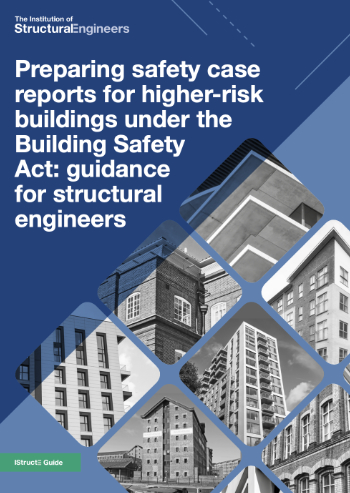
A new practical guide to preparing structural inputs for safety cases and safety case reports published by IStructE.
Male construction workers and prostate cancer

CIOB and Prostate Cancer UK encourage awareness of prostate cancer risks, and what to do about it.