





Electrochemical cell
There are generally two main types of electrochemical cells: primary (non-rechargeable) and secondary (rechargeable) batteries.
A galvanic cell also called a voltaic cell, is an electrochemical cell in which an electric current is generated from an oxidation-reduction reaction. The cell normally consists of two different metals (electrodes), immersed in separate containers that hold a positively or negatively charged solution. A salt bridge or porous membrane between the containers transfers charge. Energy is derived from a high-cohesive-energy metal dissolving while to a lower-energy metal is deposited, and/or from high-energy metal ions plating out while lower-energy ions go into solution. A primary or non-rechargeable battery is a galvanic cell, a secondary or rechargeable battery acts as a galvanic cell when it is discharging, as it is converting chemical energy to electrical energy. A secondary or rechargeable battery acts as an electrolytic cell when it is being charged as in this case it is converting electrical energy to chemical energy.
An electrolytic cell, is one in which a current is passed through by an external voltage, causing a chemical reaction. An electrolytic cell has three parts: a cathode, an anode (electrodes) and an electrolyte. As above electrolyte is usually a solution of water or another solvent, such as sodium chloride with dissolved ions. When an external voltage is applied to the electrodes, the ions in the electrolyte are attracted to an electrode with the opposite charge, the charge-transferring causes the chemical reaction, faradaic or redox. In the galvanic cell the chemical reaction causes electric current to flow.
An equilibrium electrochemical cell is a cell that sits in a state that is directly between the two above cell states, so nether storing chemical energy nor releasing electrical energy.
A fuel cell is considered to be a galvanic cell but because the products of the reaction are continuously removed it is one that requires a supply of reactants. It does not therefore store chemical or electrical energy but extracts electrical energy directly from a chemical reaction involving oxygen, hydrogen, electricity, heat and water.
[edit] Related articles on Designing Buildings
Featured articles
Check out some of the best features and news from Designing Buildings as well as key stories from around the web.

A quick introduction to its uses and risks.
Construction Management, 17 June

Government rolls out digital planning tool to all local authorities.

Your views needed - a strategy for the professions, trades and occupations.

Confronting competency, codes, capacity and costs.
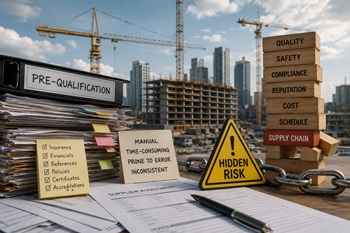
The hidden risk in modern construction supply chains.
Construction Management, 10 June

24 months to 14: CITB launches accelerated apprenticeships.
Bridging the gap between clients and contractors

Concerns remain around contractor quality, capability, and delivery.
Construction Management, 10 June.
Heat pumps beat boilers in new home tests.
Building Safety Act implementation in Wales

CIAT to host industry panel on 26 June.
New and updated CLC building safety guidance.

New UK National Buildings Database.