





ECA responds to the UK hydrogen strategy
|
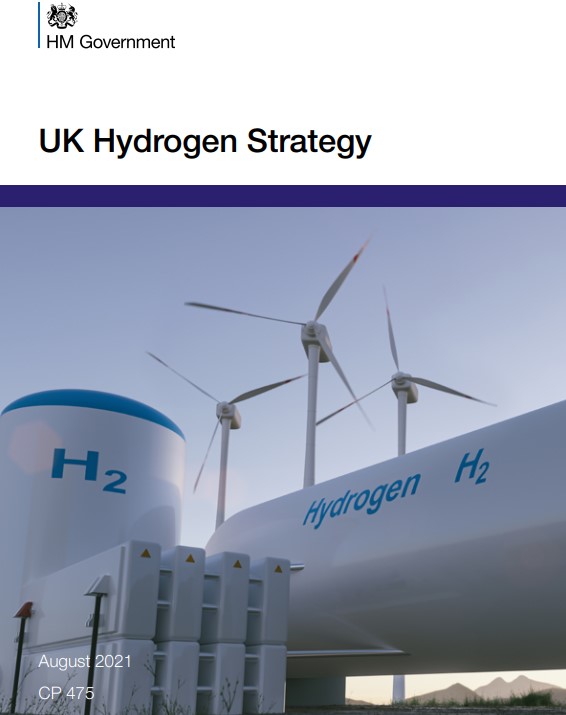
The UK hydrogen strategy, issued by the Department for Business Energy and Industrial Strategy (BEIS) on 17 August 2021, revealed that until 2030, hydrogen home heating will play only a marginal role in reducing carbon emissions.
Ref https://www.gov.uk/government/news/uk-government-launches-plan-for-a-world-leading-hydrogen-economy
While initial publicity for the strategy stated that three million homes will use hydrogen energy by 2030, further analysis of the strategy suggests that less than 70,000 homes would be able to run on hydrogen by the end of the decade.
ECA, the leading electrotechnical trade association, has urged the early and ongoing roll-out of building insulation along with proven electrical and other engineering technologies as the best route to achieving the Government’s net zero targets.
Luke Osbourne, ECA’s Emerging Technologies Advisor said, “The recent IPCC climate crisis report underlines that we must not wait until 2030 before reducing carbon emissions from heating, which is the route map in this hydrogen strategy. Yes, we need to consider a range of zero carbon measures, but this strategy may simply end up kicking the can down the road. We need to act now and roll-out the passive measures and technologies that we know will reduce carbon emissions, right away.”
ECA supports the use of ‘green hydrogen’ (produced from water using renewable electricity) for specific energy applications. However, it is greatly concerned about the strategy’s endorsement of ‘blue hydrogen’ which is derived from fossil fuels and which seeks to trap the associated greenhouse gas emissions.
A study by Cornell and Stanford Universities warned ‘blue hydrogen’ could be up to 20% worse for the climate than burning natural gas, owing to the escape of greenhouse gases during hydrogen production.
Paul Reeve, ECA’s Director of CSR and Public Affairs added, “Hydrogen may provide answers for some of our future industrial chemical requirements but, except at the margins, it doesn’t offer a viable route to a low carbon domestic or commercial heating, or for future vehicle transport. Low carbon electrical and energy storage solutions can deliver a more effective route to low carbon heating and transport, and these solutions can, and should, be brought into effect now”.
This information appeared on the ECA Today website under the headline, 'ECA questions new Hydrogen Strategy'. It was initially submitted as a press release from the ECA on 19 August 2021.
--ECA
[edit] Related articles on Designing Buildings Wiki
- A systems approach to net-zero.
- Articles by the Electrical Contractors' Association (ECA).
- Blue hydrogen.
- Hydrogen.
- Is hydrogen the heating fuel of the future?
- Planning now for hydrogen
- Sixth carbon budget.
- Zero carbon homes.
[edit] External resources
Featured articles
Check out some of the best features and news from Designing Buildings as well as key stories from around the web.

The Building Safety Regulator announces a call for evidence.

Government approach could undermine delivery and regeneration.
World's first mass timber data centre.

The overlooked environmental aspect of data centre development.
Introduction to radon awareness

New technical information sheet published by CIOB.

Updated supplier guide can help electrical contractors engage with NHP.

CIAT confirm the winners of the 2026 architectural technology awards.

Government launches a one stop shop for flood preparedness.

Sir Edwin Lutyens: Britain's greatest architect? Book review.

CIOB publishes free template to help assess and manage risks.
ECA's reflections on Party Conference season

Burnham wants to be confident of winning before asking for a fresh mandate.
New Chief Construction and Scientific Adviser

Sergio Cavalaro, Professor of Infrastructure Systems at Loughborough University.
Building safety levy for England

CIAT publish estimator tool for members.