





Difference between cost plan and budget
It is important not to confuse cost plans and budgets.
A budget is a statement of the amount of money available to spend over a period of time, or on a specific thing, such as a building. The budget is set by the client (although they make seek help to do this). It may include an outline plan for how that money will be spent, and a breakdown of the items it will be spent on. Budgets set a limit for expenditure and this can help determine what is affordable. They should be set as early as possible so that expectations can be managed. It is important that they are based on evidence and that they are realistic, rather than simply stating the amount of money available, or being a wild guess, because, once the budget is set in people's minds, it can be very difficult to change.
For more information see: Budget.
Cost plans are typically prepared by a cost consultant and provide an estimate of what the actual costs are likely to be. Cost plans evolve through the life of the project, developing in detail and accuracy as more information becomes available about the nature of the project. They can range from very early initial cost appraisals through to tender pricing documents and the final account. If the cost plan exceeds the budget, it may be necessary to reduce the cost or scope of the project.
For more information see: Cost plan.
[edit] Related articles on Designing Buildings
- Budget.
- Capital costs for construction projects.
- Construction costs.
- Cost control.
- Cost plans for construction projects.
- Cost management techniques used to monitor the cost of construction projects.
- Difference between collateral warranties and third party rights.
- Difference between preliminaries and preambles
- Elemental cost plan for design and construction.
- Final account.
- Outturn cost.
- Quantity surveyor.
- Tender pricing document.
Featured articles
Check out some of the best features and news from Designing Buildings as well as key stories from around the web.
New and updated CLC building safety guidance.
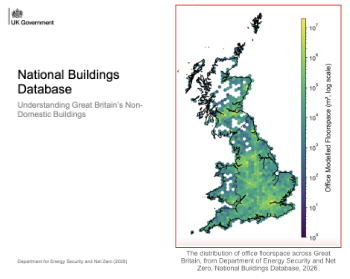
New UK National Buildings Database.
Building Safety Wiki Interviews

Chief executive of the British Woodworking Federation.
Planning condition discharge in England and Wales

A brief explanation from a building compliance expert, with further links.
Overheating guidance and tools for building designers

Guidance for dealing with element of building fabric control that have increasing importance.
Shading for housing, a design guide

From the Good Homes Alliance and British Blind and Shutter Association.
UK Standard Skills Classification (SSC)

A shared framework for describing skills needs.
Social media ban consultation comes to close

CIOB urges UK Government to consider social media’s role in careers guidance in ban debate.
The latest of eight Skills England apprenticeship units

The addition of battery manufacturing welcomed by ECA with a warning about the risks of fast-tracked apprenticeship units.
Building Control Independent Panel final report
A precis of a key report led by Dame Hackitt with full recommendations and link to the government response.
Building Safety recap April, 2026

A short and longer run-through of the month, with links to further information and sources.