





Contract amendment
A contract amendment is to a formal change or modification to the terms and conditions of an existing construction contract. This can be necessary to accommodate adjustments that may arise during the course of a project, for example:
- Changes in the scope of work to be performed, including additions, deletions, or modifications to the original project plans and specifications.
- Adjustments to the project timeline, which might include extending or shortening the completion date or adjusting intermediate milestones.
- Modifications to the contract price, which could involve increasing or decreasing the overall budget based on the changes to the scope of work or other factors. It can also include changes to the payment schedule.
- Substitutions or changes in materials, products, or workmanship specifications that were initially agreed upon.
- Adjustments to ensure the contract remains compliant with any new or updated laws, regulations, or standards that may come into effect during the project.
- Revisions to the allocation of risks and responsibilities between the parties involved, such as changes in insurance requirements or liability clauses.
- Changes to the methods and processes for resolving disputes, which could involve amending arbitration clauses, mediation procedures, or other conflict resolution mechanisms.
Contract amendments are typically documented through formal written agreements signed by all parties involved in the original contract. This documentation ensures that there is a clear, mutual understanding of the changes and helps prevent disputes related to misunderstandings or misinterpretations of the modifications.
See also: Variations.
[edit] Related articles on Designing Buildings
- Abortive work in building design and construction.
- Architect's instruction.
- Change control procedure for building design and construction.
- Change order for construction contracts.
- Compensation event.
- Confirmation of verbal instruction.
- Contract sum.
- Extension of time EOT in construction contracts.
- How to prepare a claim for an extension of time.
- Loss and expense.
- Payment for extra work.
- Prime cost sum.
- Provisional sum.
- Relevant event.
- Relevant matter.
- Scope of work.
- Valuation of interim payments.
- Variations.
Featured articles
Check out some of the best features and news from Designing Buildings as well as key stories from around the web.

A quick introduction.
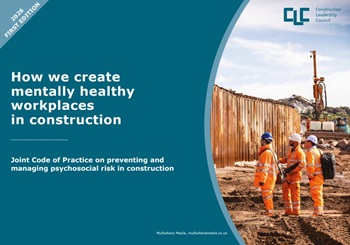
CLC publishes Mental Health Joint Code of Practice.

A quick introduction to its uses and risks.
Construction Management, 17 June

Government rolls out digital planning tool to all local authorities.

Your views needed - a strategy for the professions, trades and occupations.

Confronting competency, codes, capacity and costs.

The hidden risk in modern construction supply chains.
Construction Management, 10 June

24 months to 14: CITB launches accelerated apprenticeships.
Bridging the gap between clients and contractors

Concerns remain around contractor quality, capability, and delivery.
Construction Management, 10 June.

Heat pumps beat boilers in new home tests.
Building Safety Act implementation in Wales

CIAT to host industry panel on 26 June.