






Civil engineering soft and digital skills
Soft skills are becoming increasingly important within civil engineering along with a growing need for digital skills, according to the findings from the Institution of Civil Engineers’ (ICE) professional skills review published in July 2018.
The review examined the latest trends in engineering practice and the impact this has had on professional skills. The review’s conclusions make recommendations to civil engineers, employers, educators, professional bodies and policymakers on the development and qualification of the skills needed by the modern industry.
Practical knowledge and skills also remain vitally important for civil engineers. Technical skills, critical thinking and problem solving, and the soft skills of leadership, management and communication topped the list of skills on which civil engineers need to focus, with over 73% of research respondents naming these as the ones which civil engineers need to develop most. This was consistent across all sectors, career levels and geographical locations.
According to the report, skill requirements should reflect the diversity of modern civil engineering, not only focusing on building new infrastructure but also on operation and maintenance, renewal and adapting, and decommissioning of infrastructure.
The report recommends that development of practical skills should be encouraged from the earliest stage. Continuous learning also needs to promoted and appropriate learning resources made available to ensure that civil engineers adapt their skills in line with technical advances and developments. According to the report, the profession needs to embrace digital technology and civil engineers need to develop the rapidly-evolving skills required to exploit its benefits.
The report also recommends that today’s engineers need to focus on developing soft skills, such as communication, management and leadership. Team working is becoming more important, particularly with multi-disciplinary, multi-organisational and multi-national working becoming increasingly normal.
Ed McCann, ICE Vice-President and Chair of the ICE Skills Review Group, said:
"ICE celebrates its bicentenary this year and we recognise the huge changes that have taken place in the civil engineering profession, with technological, economic and social factors continually presenting new challenges. We want to adequately ensure that civil engineering professionals have the relevant skills needed to fulfil their role in providing society with the infrastructure it needs.
"Our review has found that today’s civil engineers need a greater breadth of skills, including understanding of other disciplines and soft skills. However, practical knowledge and skills remain vitally important ingredients in a civil engineer’s make-up. A culture of continuous learning needs to be embedded more deeply in the profession to ensure that individuals can meet skills requirements throughout their careers."
The report also makes further recommendations on recruitment:
- A more flexible approach is needed to allow and encourage people to enter the profession without the ‘traditional’ background.
- Recruitment into the profession via universities is too narrowly focused on people with strong maths and physics A-levels. Greater encouragement of able people with different talents into undergraduate courses (with appropriate ‘catch-up’ classes) would increase the pool of potential undergraduates, and help improve the supply of graduates with broader skills.
The Skills Review Group produced its findings following a series of workshops and consultations with industry leaders over nine months. It also conducted quantitative research, surveying the worldwide ICE membership body.
This article was originally published here on 10 July 2018 by ICE. It was written by Vienn McMasters.
--The Institution of Civil Engineers
[edit] Related articles on Designing Buildings
- Articles by ICE on Designing Buildings Wiki.
- Civil engineer.
- Civil engineering course essentials.
- Digital engineering.
- Digital technology boost to construction industry.
- Engineering in the 21st century.
- How the built environment can unlock opportunities for skills.
- How to become a civil engineer.
- Skills shortage.
- World Youth Skills Day.
Featured articles
Check out some of the best features and news from Designing Buildings as well as key stories from around the web.
Bridging the gap between clients and contractors

Concerns remain around contractor quality, capability, and delivery.
Construction Management, 10 June.

Heat pumps beat boilers in new home tests.
Building Safety Act implementation in Wales

CIAT to host industry panel on 26 June.
New and updated CLC building safety guidance.
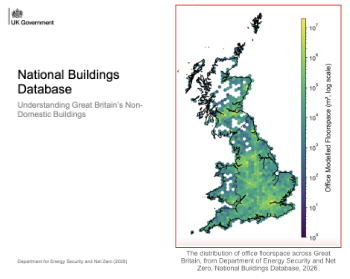
New UK National Buildings Database.
Building Safety Wiki Interviews

Chief executive of the British Woodworking Federation.
Planning condition discharge in England and Wales

A brief explanation from a building compliance expert, with further links.
Overheating guidance and tools for building designers

Guidance for dealing with element of building fabric control that have increasing importance.
Shading for housing, a design guide

From the Good Homes Alliance and British Blind and Shutter Association.
UK Standard Skills Classification (SSC)

A shared framework for describing skills needs.
Social media ban consultation comes to close

CIOB urges UK Government to consider social media’s role in careers guidance in ban debate.