






CIOB five-year plan

Contents |
[edit] Introduction
On 27 January 2023, the Chartered Institute of Building (CIOB) launched its new five-year plan, which focuses on quality and safety, environmental sustainability and closing the construction industry’s skills gap.
The plan is the organisation’s roadmap to 2028 and aims to make modern professionalism in construction management widely aspired to and increasingly a reality across the industry. Trustees and CIOB members from across the globe were involved in shaping the plan, which centres on the key issues facing the users and creators of the built environment.
Caroline Gumble, CEO at CIOB, said: “To me this is much more than a simple document. It is the roadmap for the journey CIOB will take over the next five years and beyond, in leading the way to make positive change for the creators of our built environment. It is my ambition that this plan drives delivery on what we all want from this important industry: high standards of quality and safety, improvements in sustainability, and closing the skills gap. As the home for built environment professionals, CIOB must support our members in making that possible. It was incredibly important to me that members had input as, in many ways, it is our members who will bring this document to life.”
[edit] The CIOB plan key themes
[edit] Environmental sustainability
The construction industry needs to operate in a way that ensures environmental impact is minimal and contributes to a sustainable future. Designing, creating, maintaining and recycling to deliver a built environment that society can live with, use and enjoy.
CIOB will:
- Equip CIOB members (individual and company) with the knowledge and skills to manage and deliver the construction process in environmentally sustainable ways.
- Embed environmental sustainability into relevant learning programmes across schools, colleges and universities.
- Support industry and stakeholders in building the case for change through environmentally sustainable activities and metrics.
[edit] Quality and safety
Good quality buildings and infrastructure promote health, safety and wellbeing, as well as delivering social, cultural, environmental and economic benefits. The safety of the built environment should be so fundamental that it can be taken for granted, but recent years have shown that this isn’t always the case.
CIOB will:
- Bring about a culture change in the industry that ensures quality and building safety are at the heart of everything we do and never sacrificed for profit.
- Become the leading provider of education, training and standards in quality and building safety in the built environment, globally.
[edit] Skills gap
The industry must increase productivity to match other mainstream sectors, ensuring the built environment is fit for changing societal needs and a growing population. Most worldwide construction markets are reporting a skilled labour shortage. The lack of a representative workforce in the sector significantly reduces the available talent pool.
CIOB will:
- Contribute tangibly to reducing the industry skills shortage across priority skills by 2028.
- Help the industry bring in people, from a diverse range of backgrounds, who would not have joined without CIOB’s actions.
- Improve the perception and reality of working in the construction industry, by championing diversity, inclusion and worker welfare.
- Facilitate smooth, motivating routes within the industry to continually develop the skills of modern professional construction management.
The full CIOB plan can be found here.
--CIOB
[edit] Related articles on Designing Buildings
Featured articles and news
Costs and insolvencies mount for SMEs, despite growth

Construction sector under insolvency and wage bill pressure in part linked to National Insurance, says report.
The place for vitrified clay pipes in modern infrastructure
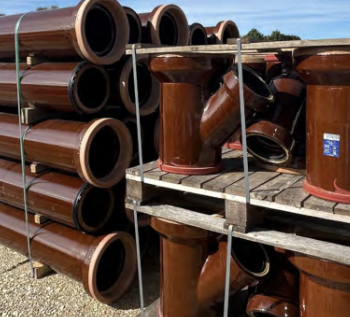
Why vitrified clay pipes are reclaiming their role in built projects.
Research by construction PR consultancy LMC published.
Roles and responsibilities of domestic clients
ACA Safety in Construction guide for domestic clients.
Fire door compliance in UK commercial buildings

Architect and manufacturer gives their low down.
Plumbing and heating for sustainability in new properties
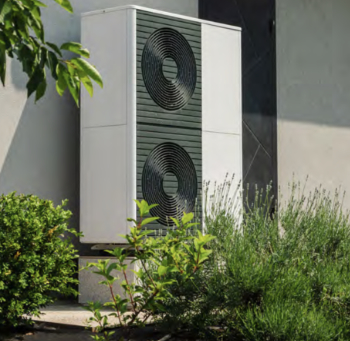
Technical Engineer runs through changes in regulations, innovations in materials, and product systems.
Awareness of the Carbon Border Adjustment Mechanism
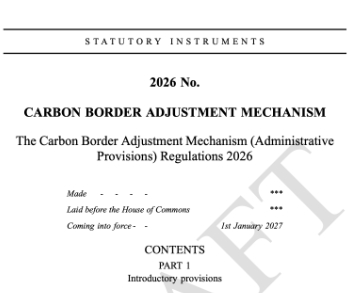
What CBAM is and what to do about it.
The new towns and strategic environmental assessments
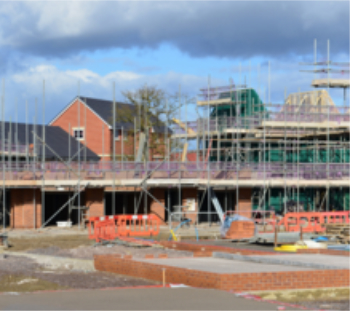
12 locations of the New Towns Taskforce reduced to 7 within the new towns draft programme and open consultation.
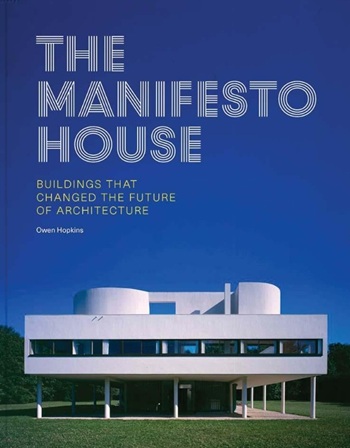
Buildings that changed the future of architecture. Book review.
The Sustainability Pathfinder© Handbook
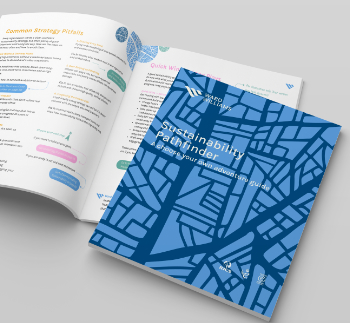
Built environment agency launches free Pathfinder© tool to help businesses progress sustainability strategies.
Government outcome to the late payment consultation, ECA reacts.
IHBC 2025 Gus Astley Student Award winners
Work on the role of hewing in UK historic conservation a win for Jack Parker of Oxford Brookes University.
Future Homes Building Standards and plug-in solar
Parts F and L amendments, the availability of solar panels and industry responses.
How later living housing can help solve the housing crisis
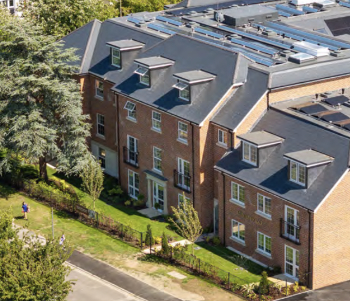
Unlocking homes, unlocking lives.
Preparing safety case reports for HRBs under the BSA
A new practical guide to preparing structural inputs for safety cases and safety case reports published by IStructE.
Male construction workers and prostate cancer

CIOB and Prostate Cancer UK encourage awareness of prostate cancer risks, and what to do about it.