





Bonding coat
The bonding coat, bond coat or base coat in construction terms usually refers to the first coat of gypsum plaster which is laid on the existing surface such as stone, brick or existing plaster. The term base coat is usually used to mean the same but for lime based plaster products or clay based plaster products. Base or bond coat can also be used to describe the first layer of external render applied directly to the existing external structure of a building such as stone or brick, though this is most often referred to as a parge coat.
The bond or base coat is usually a coarse plaster or render which can be applied in thicknesses between 10-20mm, it has greater adherence qualities and is used to even out the existing surfaces of the wall, internally in the case of plaster and externally in the case of render. Once hardened one or two more layers can be applied, finished by the final coat, finish layer, sometimes called skim coat which is normally a thinner layer applied at 2-5mm thickness.
See also: plaster, lime plaster and clay plaster
[edit] Related articles on Designing Buildings
- Boss plaster.
- Caulk.
- Cement.
- Cement mortar.
- Clay plaster.
- Daub.
- Decorative metal ceilings.
- Dry lining.
- Drywall.
- Finishes.
- Fresco.
- Grout.
- Gypsum.
- Inspecting historic fibrous plaster ceilings.
- Lath and plaster.
- Lime plaster.
- Making Magnificence: architects, stuccatori and the eighteenth-century interior.
- Mortar.
- Parge coat.
- Plaster.
- Rendering.
- Stucco.
- Tanking.
- Tiles.
Featured articles
Check out some of the best features and news from Designing Buildings as well as key stories from around the web.

Your views needed - a strategy for the professions, trades and occupations.

Confronting competency, codes, capacity and costs.

The hidden risk in modern construction supply chains.
Construction Management, 10 June

24 months to 14: CITB launches accelerated apprenticeships.
Bridging the gap between clients and contractors

Concerns remain around contractor quality, capability, and delivery.
Construction Management, 10 June.

Heat pumps beat boilers in new home tests.
Building Safety Act implementation in Wales

CIAT to host industry panel on 26 June.
New and updated CLC building safety guidance.
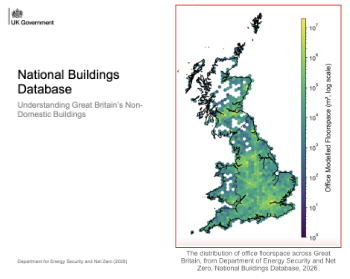
New UK National Buildings Database.
Building Safety Wiki Interviews

Chief executive of the British Woodworking Federation.
Planning condition discharge in England and Wales

A brief explanation from a building compliance expert, with further links.