




Bevel

A bevel is a type of cut, usually a carpentry term for timber cuts or mouldings but also used to describe other shaped materials. It is an angle cut but not a right angle cut, often at 45 degrees and described as a bevelled edge. It differs from a chamfer, in which a second cut removed the remaining corner after a bevel cut creating two plains around the 90-degree corner lengthways.
[edit] Related articles on Designing Buildings
- Carpentry.
- Facts about forestry.
- Janka hardness rating scale.
- Nails - a brief history.
- Sustainable timber.
- Staircase.
- The differences between hardwood and softwood.
- The use of timber in construction.
- Timber.
- Timber vs wood.
- Types of timber.
- Types of timber species.
- Whole life carbon assessment of timber.
- Wood around the world.
Featured articles
Check out some of the best features and news from Designing Buildings as well as key stories from around the web.
Code of Practice for Electrical Energy Storage Systems.

ECA calls on members to comment on draft 4th edition.
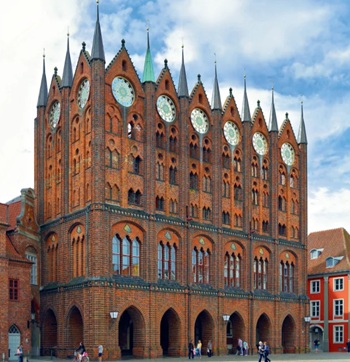
Bringing together expertise and creating cultural benefits.

CIOB celebrates positive Ofsted report.

The Building Safety Regulator announces a call for evidence.

Government approach could undermine delivery and regeneration.
World's first mass timber data centre.

The overlooked environmental aspect of data centre development.
Introduction to radon awareness

New technical information sheet published by CIOB.

Updated supplier guide can help electrical contractors engage with NHP.

CIAT confirm the winners of the 2026 architectural technology awards.

Government launches a one stop shop for flood preparedness.

Sir Edwin Lutyens: Britain's greatest architect? Book review.

CIOB publishes free template to help assess and manage risks.
Comments
[edit] To make a comment about this article, or to suggest changes, click 'Add a comment' above. Separate your comments from any existing comments by inserting a horizontal line.