




Arbour

There are two construction related definitions of the term, ‘arbour’.
One usage of the word is related to garden buildings or structures. In this context, an arbour is an element found in a park, garden or other landscaped area. Arbours are primarily constructed using branches and leaves, and they may be covered with crawling vines. They are sometimes supported by latticework or some other framework and may be positioned at the entrance to a path or garden.
Another type of arbour is one associated with lifting or rigging mechanisms such as theatrical applications. These systems are often part of operational devices used to lift components (such as lights, curtains, scenery and even people) on and around the stage. A counterweight arbour is a common type.

An arbour pit is part of the stage that accommodates the counterweight arbour. This confined space may have limited or restricted means of entry or exit, and poses a health hazard both from its spatially restricted nature and access to and from it, or from the materials and objects that may be encountered.
[edit] Related articles
Featured articles
Check out some of the best features and news from Designing Buildings as well as key stories from around the web.
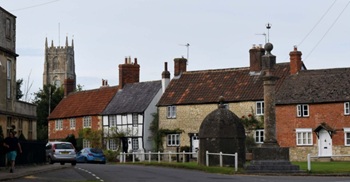
When buildings reflected the local resources available.

CIOB reports 57% are using artificial intelligence technologies.

More of England’s ‘hidden heroes’ will be celebrated.

CIAT calls for retrofit to be a priority.

Version 6 is now available, along with guidance for ECA members.

Post-War Homes: mid-century British architecture. Book review.

CIAT reflects on the party conferences.

CIOB announce the winners of the Art of Building photography competition.

National Scheme of Delegation introduced.

The cost of employing people remains a concern.
Code of Practice for Electrical Energy Storage Systems.

ECA calls on members to comment on draft 4th edition.
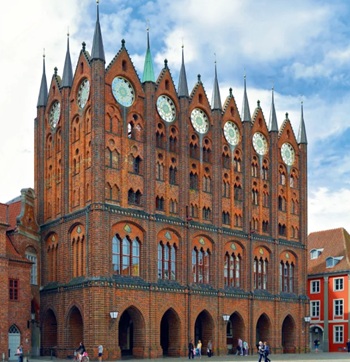
Bringing together expertise and creating cultural benefits.