





Arbitration v Adjudication
Construction contracts usually provide for disputes to be dealt with by agreed dispute resolution procedures. Arbitration and adjudication are two commonly-adopted forms of alternative dispute resolution ( ADR - that is, they do not involve litigation). Although the procedures adopted are similar, they should not be confused.
Arbitration is a procedure in which both sides agree to let an impartial third party, the arbitrator, decide the case. The arbitrator may be a lawyer, or may be an expert in the field of the dispute, or in some cases, an arbitration panel. The arbitrator’s decision, known as an award, is legally binding and can be enforced through the courts. Normally, there is no appeal, however there are exceptions in which appeals may be accepted. Arbitrators have the power to ascertain facts rather than just listen to submissions, and to order costs.
For more information see: Arbitration.
The Housing Grants, Construction and Regeneration Act imposes a right to adjudication in construction contracts. If parties to a construction contract do not agree an adjudication procedure, then one is imposed by the Scheme for construction contracts. In adjudication, the decision is the responsibility of a third party adjudicator selected by the parties to the dispute. Adjudication decisions are binding unless and until they are revised by subsequent arbitration or litigation after practical completion, or by agreement between the parties (hence the term 'pay now argue later'). There is no right of appeal and limited right to resist enforcement. Generally, adjudicators do not have the power to award costs (other than their own fees and expenses). Adjudication must adhere to strict timescales and typically takes up to 28 days.
For more information see: Adjudication.
[edit] Find out more
[edit] Related articles on Designing Buildings Wiki
Featured articles
Check out some of the best features and news from Designing Buildings as well as key stories from around the web.
Bridging the gap between clients and contractors

Concerns remain around contractor quality, capability, and delivery.
Construction Management, 10 June.

Heat pumps beat boilers in new home tests.
Building Safety Act implementation in Wales

CIAT to host industry panel on 26 June.
New and updated CLC building safety guidance.
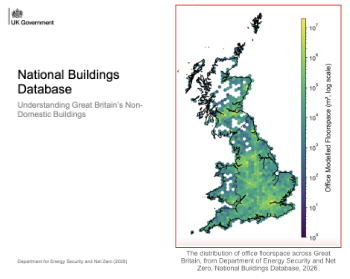
New UK National Buildings Database.
Building Safety Wiki Interviews

Chief executive of the British Woodworking Federation.
Planning condition discharge in England and Wales

A brief explanation from a building compliance expert, with further links.
Overheating guidance and tools for building designers

Guidance for dealing with element of building fabric control that have increasing importance.
Shading for housing, a design guide

From the Good Homes Alliance and British Blind and Shutter Association.
UK Standard Skills Classification (SSC)

A shared framework for describing skills needs.
Social media ban consultation comes to close

CIOB urges UK Government to consider social media’s role in careers guidance in ban debate.