





Accident reports in construction
There is a legal requirement through the Reporting of Injuries, Diseases and Dangerous Occurrences Regulations 2013 (RIDDOR) for accidents and incidents to be reported to the Health and Safety Executive (HSE).
While RIDDOR recommends that all accidents, however small, are recorded in an accident book, it identifies the more serious types of accidents which must be reported to HSE as well as being recorded in the book. These include:
- Any injury that stops an employee doing their normal work for a period of 3 days or more.
- Major injuries such as broken arms, ribs, legs, etc.
- Fatalities.
- Disease.
- Dangerous instances occurring at work such as machinery breaking, scaffolding collapsing or any other appliances breaking and causing damage.
Forme can be found here for the following incidents:
- Injury.
- Dangerous occurrence.
- Injury offshore.
- Dangerous occurrence offshore.
- Case of disease.
- Flammable gas incident.
- Dangerous gas fitting.
The appropriate form should be completed by the responsible person. Fatalities and major injuries can be reported by phone to the HSE. A report must be received within 10 days of the incident.
The following information should be recorded:
- Injured person’s personal and contact details (name, phone number, address, age, occupation, etc.).
- Reporter’s personal and contact details (name, position, phone number, address, etc.).
- Accident details (date, time, location).
- Injury details (type, body part, whether any work days were lost as a result, whether an ambulance was required, whether the injured person lost consciousness, etc.).
- Witness details (name, phone number, address, etc.).
- Details of any supporting evidence (e.g. CCTV footage, photographs, training records, health and safety check records, cleaning logs, etc.).
- Reasons for accident (how it occurred, working conditions at the time, PPE being worn, equipment being used, events leading up to accident, etc.).
- Response to accident (first aid provided, whether the area was made safe, direct action).
- Preventative action (training needs, preventative plan put in place, how recurrences will be prevented).
[edit] Related articles on Designing Buildings
- Accident book.
- Construction health risks.
- Health and safety file.
- Injuries on construction sites.
- Near miss.
- Notification to HSE.
- Occupational accident.
- Occupational injury.
- Reporting accidents and injuries on construction sites RIDDOR.
- Safety audit.
- Site records and registers.
- Slip and trip hazards.
Featured articles and news

We're expanding our collaborative mission by launching DB Intelligence, an exclusive market research advisory panel. Built environment professionals can now get paid to share their expertise on industry trends, products and services.
Panel members receive direct financial incentives for participating in research projects like short surveys, 1-2-1 interviews and focus groups. Register today to shape the future of the construction sector.
Building Control Independent Panel final report
A precis of a key report led by Dame Hackitt with full recommendations and link to the government response.
Guide to ISO 19650 for Architecture Firms (2026)
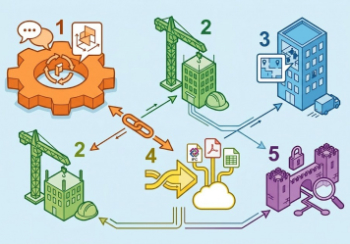
A user gives their low down.

A UK training and membership provider for mould remediation professionals.
Building Safety recap April, 2026
A short and longer run-through of the month, with links to further information and sources.
CIAT May 2026 briefing.

Independent NSI and BAFE study exploring how organisations are changing the way they buy fire safety services.
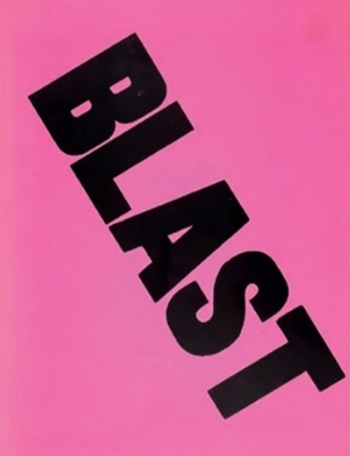
From medieval scribes to modern word art.

ECA welcomes crackdown on late payment and push for clean energy, whilst CIOB seek fixed cladding removal timeframes.
Cyber Security in the Built Environment
Protecting projects, data, and digital assets: A CIOB Academy TIS.
Managing competence in the built environment
ITFG publishes new industry guide on how to meet the ICC principles.
The UK's campaign to reduce noise pollution: Mythbusting, articles and topic guides.