




Ferro-cement

Ferro-cement is a composite material made up of mortar and light wire steel mesh. It is a highly versatile form of reinforced concrete.
The mesh is formed into the shape of the structure in thin sections, and should mesh uniformly throughout the cross-section. Rebar is sometimes used as a means of stiffening the structure. On both sides of the reinforcement layer the stiff mortar is applied to the required thickness. Care must be taken to completely cover with metal with mortar, or else the metal may be at risk of corrosion.
The strength of the ferro-cement is determined by the quality of the sand/cement mortar mix and the quantity of the reinforcing materials used.
Ferro-cement is typically used to relatively thin but strong surfaces and structures, such as for shell roofs, water tanks, and so on.
Due to the increased amount of labour required for the construction process, ferro-cement structures tend to be found in countries with low labour costs, such as in Asia and the Pacific regions.
The advantages of ferro-cement are as follows:
- It can be fabricated into any shape required.
- Construction is relatively easy and low-skill.
- It is a lightweight material with good durability.
- Relatively cost-effective.
The disadvantages of ferro-cement are as follows:
- Fastening with bolts, screws, nails, and such like, can be difficult on ferro-cement.
- Labour-intensive construction process.
- Tying rods and mesh together is time-consuming.
- Can be vulnerable to puncture from pointed objects.
[edit] Related articles on Designing Buildings Wiki
Featured articles
Check out some of the best features and news from Designing Buildings as well as key stories from around the web.
The construction industry urgently needs to attract new talent

CIOB responds to Neets report.
Grenfell Tower community update

Memorial columns to be retained as careful dismantling continues.
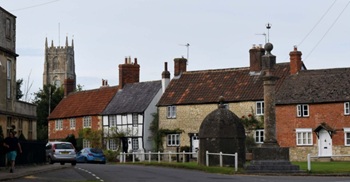
When buildings reflected the local resources available.

CIOB reports 57% are using artificial intelligence technologies.

More of England’s ‘hidden heroes’ will be celebrated.

CIAT calls for retrofit to be a priority.

Version 6 is now available, along with guidance for ECA members.

Post-War Homes: mid-century British architecture. Book review.

CIAT reflects on the party conferences.

CIOB announce the winners of the Art of Building photography competition.

National Scheme of Delegation introduced.

The cost of employing people remains a concern.