





Torque
Torque is a force that can cause an object to rotate about an axis creating torsion. In terms of buildings, wind, for example can apply forces of torque on buildings, which could lead to torsion. In the design wind of turbines torque is a key variable.
Torque is normally measured in Newton metres (Nm), or pound feet (lb-ft), which means a force in pounds acting on the end of a lever which is measured in feet. This should not be confused with foot pounds (ft-lb) which is used in horsepower to mean the amount of energy required to raise a 1lb weight by a distance of 1ft, in that case historically by a horse.
Whilst torque describes something that is capable of producing an angular acceleration or twist, torsion describes the twist that is formed in an object due to a torque. In everyday life opening a bottle, or turning a nut are examples of using torque, whilst it is also often a specification of engines and electrical motors, referring to the force to which the drive shaft is subject.
In the design and construction of wind turbines the torque load is calculated along with wind speed, angular velocity and inertia. Output power is calculated with torque, angular and rotational speed.
Torsion is the state of strain or twist that occurs in a material as a result of torque being applied. Torsion develops shear stresses and is equivalent to tension and compression but at right angles. This can be seen when wringing a wet towel – the water is squeezed out by torsion-induced compression.
Torque is expressed in:
- Newton metres (Nm), or pound feet (lb-ft)
- pound feet (lb-ft)
Torsion is expressed in:
[edit] Related articles on Designing Buildings
Featured articles
Check out some of the best features and news from Designing Buildings as well as key stories from around the web.

Guidance for conversion of traditional pre-1919 stone buildings.
Industrial heritage in the Ruhr

A marked difference to the fate of industrial landscapes in the UK.
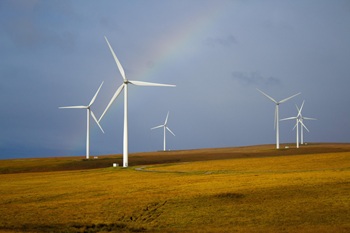
Communities will be able to build their own clean energy.
Why diversity and inclusion matters for SMEs

CIOB’s D&I Charter shows how practical changes can support long-term growth.
Cut electricity bills to power growth

Coalition sends joint letter to the Chancellor.

Gasholders: a history in pictures. Book review.
Recognition, influence and growth

SocEnv identifies three strategic pillars in new strategy to 2045.
Discover the future of roofing, cladding and insulation.

New guidance for professional practice, cultural change and regulation in social housing.
The heritage of nuclear and conventional power stations.
New measures to stop people being ripped off

Government to protect families from cowboy builders and aggressive bailiffs.
New Futurebuild showcase brings an innovation-first approach.
Comments
[edit] To make a comment about this article, or to suggest changes, click 'Add a comment' above. Separate your comments from any existing comments by inserting a horizontal line.