




Spelga dam
Spelga Dam in the Mourne Mountains (South of Belfast) in Northern Ireland was under construction and started to move. All construction stopped for a year while it was fully investigated. The dam was needed to supply fresh wholesome water to the growing city of Belfast.
It turned out that the dam was being constructed on top of a “mother boulder” as described in the report conducted by the Structural Engineers at the time. All work was stopped and the boulder and clay underneath it was removed before the dam started again on top of the actual bedrock of the valley.
This was the last time explosives had been used in peacetime before the troubles and it led to the creation of the Structural Engineers Institute of Ireland.
[edit] Related articles on Designing Buildings
- Barrage.
- Caisson.
- Check dam.
- Coastal defences.
- Dam construction.
- Dredging.
- Dual purpose reservoirs.
- Flood defences.
- Hydropower.
- Irrigation.
- Land reclamation.
- Relief well.
- River engineering.
- Tidal lagoon power.
- Thames barrier.
- Trading systems for water resources.
- Water engineering.
- Water transfers and interconnections.
Featured articles
Check out some of the best features and news from Designing Buildings as well as key stories from around the web.
ECA responds to the Milburn Report

Youth employment to be linked to workforce demand.
The construction industry urgently needs to attract new talent

CIOB responds to Neets report.
Grenfell Tower community update

Memorial columns to be retained as careful dismantling continues.
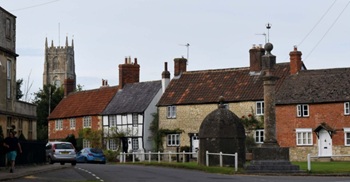
When buildings reflected the local resources available.

CIOB reports 57% are using artificial intelligence technologies.

More of England’s ‘hidden heroes’ will be celebrated.

CIAT calls for retrofit to be a priority.

Version 6 is now available, along with guidance for ECA members.

Post-War Homes: mid-century British architecture. Book review.

CIAT reflects on the party conferences.
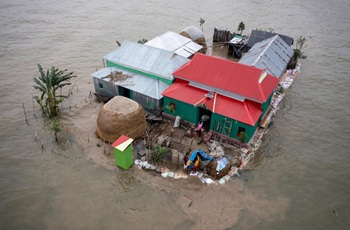
CIOB announce the winners of the Art of Building photography competition.

National Scheme of Delegation introduced.
Comments
[edit] To make a comment about this article, click 'Add a comment' above. Separate your comments from any existing comments by inserting a horizontal line.