






R404A phase out
Contents |
[edit] Introduction
R404A is a type of fluorinated gas (F gas) that is a hydrofluorocarbon (HFC) blend. It is a mixed refrigerant made from R125, R134a and R143a. However, with a global warming potential (GWP) of 3922, it is a highly potent greenhouse gas.
[edit] Background on 404A
The development of R404A came about due to the need for a substitute refrigerant for R502 and R22. These substances were both phased out on 1 January 2015 as a result of EC regulation EC/1005/2009.
R404A is one of the most common refrigerants used in commercial supermarket chillers, vending machines and other cooling units which have low and medium temperature requirements. It is also frequently used in industrial refrigeration applications.
[edit] January 2020 phase out
On 1 January 2020, a phase out of virgin R404A went into effect under UK and EU legislation. This included a ban on the sale of new refrigeration and air conditioning equipment using new R404A and additional F gases with a GWP over 2500.
Other refrigerants affected by the ban included R507, R422A, R422D, R434A and R428A. Note: an exception to the ban has been made for military equipment and a few other special instances.
These refrigerants could be used in new equipment until the end of 2019, but suppliers began to reduce their production in the lead up to the phase out. This resulted in price increases and supply issues.
While virgin R404A can no longer be used in new equipment, recovered or reclaimed R404A can be used until the end of 2030. After that point, all replacement R404A will be banned. These rules also apply to R507 and the other gases with a GWP over 2500.
[edit] Replacements for R404A
In response to these actions, lower GWP alternatives to R404A have become available. Initially, there were two main R404A replacements of similar composition - R407C and R407A. Additional products have been introduced for different applications.
Non-flammable substitutions suitable for cold rooms and other small to medium commercial refrigeration applications include R452A, R449A, R448A. Other alternatives, R513A and R134A are suitable in medium back pressure (MBP) applications.
A3-class refrigerants such as R290 and R600A could be used in new equipment for small, self-contained units (typically in food service).
Mildly flammable replacements include R454A, R454C and R455A.
Hydrofluro-olefins or HFO refrigerants are another class of refrigerants with lower GWP. These substances may also benefit from the phase out of R404A.
[edit] Refrigerant recovery
The phase out of virgin R404A has emphasised the importance of proper refrigerant recovery, and reclamation. Improving the reclamation and reuse of recovered products will be a factor in helping to ensure a sufficient supply of R404A until its total ban in 2030.
A refrigerant that has been recovered and recycled must go through a purification process that returns it - as close as possible - to its original state. Reclaimed products should be certificated and guaranteed to meet required standards.
Unprocessed product that has been recovered from a system should not be stored longer than 12 months. After that time, it should be designated as hazardous waste and disposed of according to the proper environmental regulations.
[edit] Related articles on Designing Buildings
Featured articles
Check out some of the best features and news from Designing Buildings as well as key stories from around the web.
Where performance meets practice

The Building Envelope Stage at UKCW Birmingham.

CIAT publishes briefing on planning reforms.
Leaders in Learning for Practice Network

Call for conservation leaders in learning to register interest in new network.
The importance of early engagement

Construction lessons from the Trillium HealthWorks Experience Centre.
Mayors are to be given planning call in powers
Mayors across England will be able to make the most important planning decisions.

The Master Builder: William Butterfield and his times. Book review.

Why construction can't afford to ignore the skills gap.
Building Safety Regulator, 19 August

Gill Kernick appointed Independent Chair of Residents’ Panel.
Connecting knowledge, technology and conservation
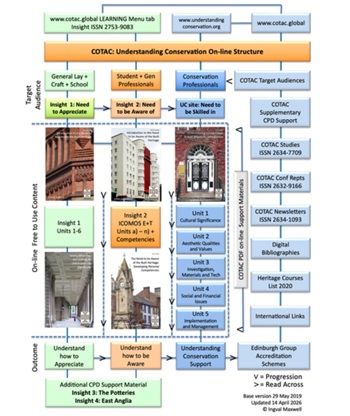
Building competence for the future of built heritage.
Building Regulations and Building Safety Act

CIOB publishes free advice for non-domestic clients.

Building Safety Newsletter from MHCLG.

An extraordinary record of steel engineering worldwide.
Comments
R404a is non-ozone depleting since it has an ODP factor of zero. Reference: https://www.engineeringtoolbox.com/Refrigerants-Environment-Properties-d_1220.html