





Prime cost in construction contracts
In general terms, the ‘prime cost’ is the sum of the direct cost of materials and labour associated with a production process. It is the direct cost of the inputs to a process that are necessary to create the output. If the prime cost can be lowered, the process may become more profitable.
In construction, the term ‘prime cost sum’ (PC sum) is an allowance for the supply of labour, plant and materials to be provided by a contractor or supplier that will be nominated by the client. The allowance is exclusive of any profit mark up or attendance (such as material handling, scaffolding and rubbish clearance etc) by the main contractor. See prime cost sum for more information.
Prime cost contracts (sometimes referred to as cost plus contracts or cost reimbursement contracts) are contracts in which the contractor is paid the prime cost (the actual cost of labour, plant and materials) and a fee for profit and overheads.
Prime cost contracts are used where an early or immediate start on site is required even though design information is not complete, for example for urgent alteration or repair work. See Prime cost contract for more information.
Adjustments may be permitted to prime costs during the period of a contract to allow for inflation (fluctuations).
[edit] Related articles on Designing Buildings Wiki
Featured articles
Check out some of the best features and news from Designing Buildings as well as key stories from around the web.
Where performance meets practice

The Building Envelope Stage at UKCW Birmingham.

CIAT publishes briefing on planning reforms.
Leaders in Learning for Practice Network

Call for conservation leaders in learning to register interest in new network.
The importance of early engagement

Construction lessons from the Trillium HealthWorks Experience Centre.
Mayors are to be given planning call in powers
Mayors across England will be able to make the most important planning decisions.

The Master Builder: William Butterfield and his times. Book review.

Why construction can't afford to ignore the skills gap.
Building Safety Regulator, 19 August

Gill Kernick appointed Independent Chair of Residents’ Panel.
Connecting knowledge, technology and conservation
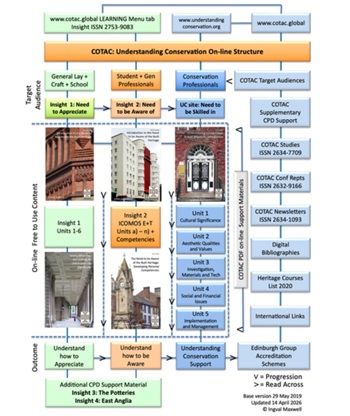
Building competence for the future of built heritage.
Building Regulations and Building Safety Act

CIOB publishes free advice for non-domestic clients.

Building Safety Newsletter from MHCLG.
An extraordinary record of steel engineering worldwide.
Comments
Construction on this page has been spelt incorrectly! - well spotted, this has been fixed