




Poisonous plants and construction
Outdoor work can be hazardous - even with appropriate health and safety policies and risk assessments - if employees do not understand the risks and receive appropriate training to manage their own PPE responsibilities, then they may be putting themselves at increased risk.
The UK has its share of poisonous plants that may cause rashes, illness, and - in rare cases - death. When working in remote locations, or on building sites, make sure to assess the dangers on site, and remove (if possible) any plants that may cause harm to workers. The following plants are poisonous when ingested, but mostly skin irritants.
Plants that are skin irritants:
- Wolf’s Bane: Cases of accidental poisoning are rare, but the plant’s toxins can slow the heart rate, cause upset stomach, and can be fatal. Only handle with gloves.
- Stinging Nettles: A common sight in the UK, nettles have needle-like hairs which penetrate the skin and sting you. It’s accompanied by burning, itching, and rash. Use dock leaves to neutralise and cool the skin.
- Giant Hogweed: This plant grows up to five metres tall (16 feet) along footpaths and riverbanks, and the plant’s sap can cause severe painful burns if it comes into contact with the skin. It will make the skin sensitive to strong sunlight. Wash affected areas with soap and water. The blisters heal slowly and can cause phytophotodermatitis, which flares in sunlight. If you feel unwell after exposure, go to your doctor.
- Thorny Plants: Needles and spines from roses, holly, blackberry bushes, and brambles can cause infections on the skin. If you are stuck by a thorn, remove the thorns and soak the area in warm water. Wear protective gloves around these plants.
Wolf’s Bane: Photo credit: 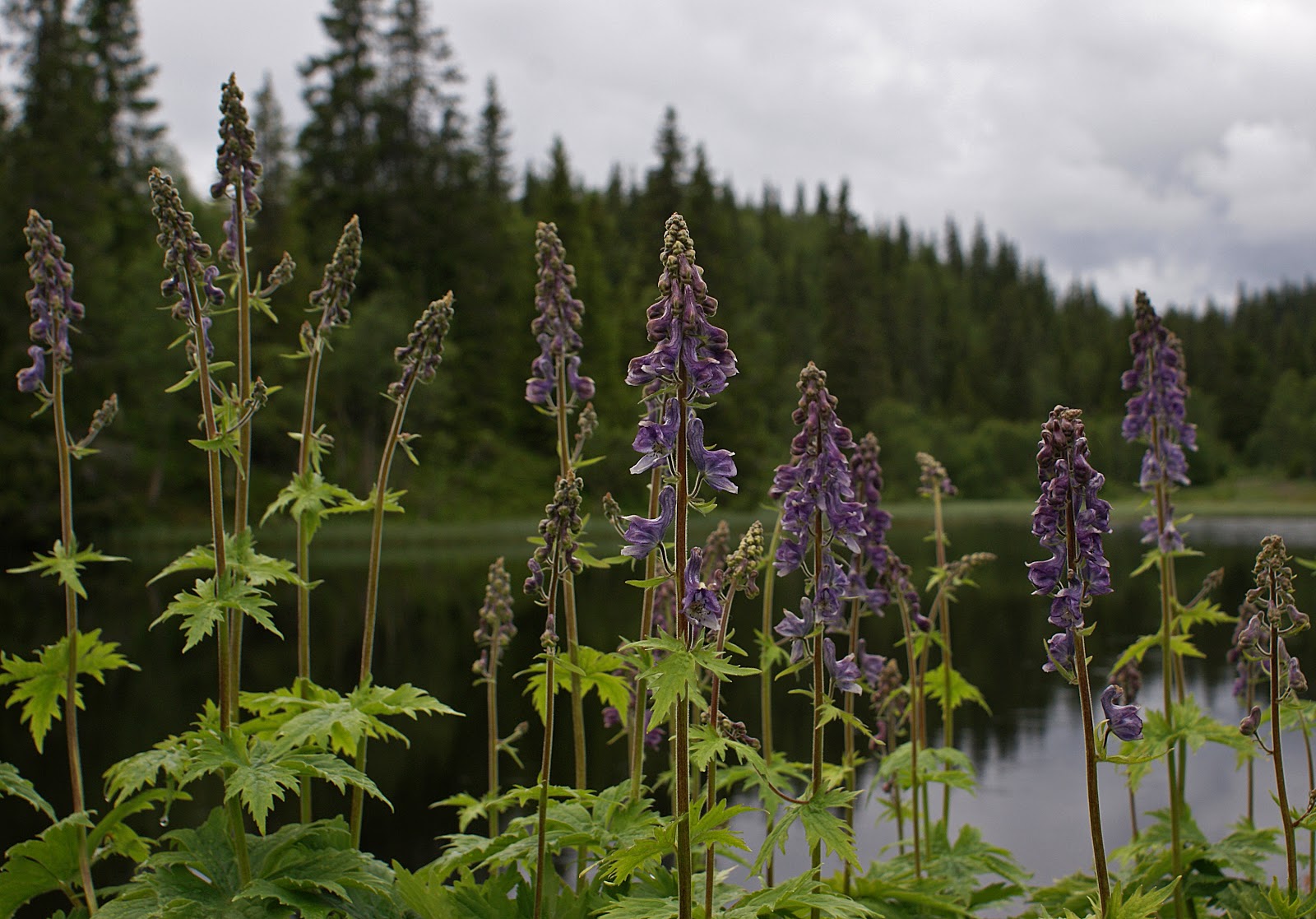
|
Stinging Nettles: Photo credit: 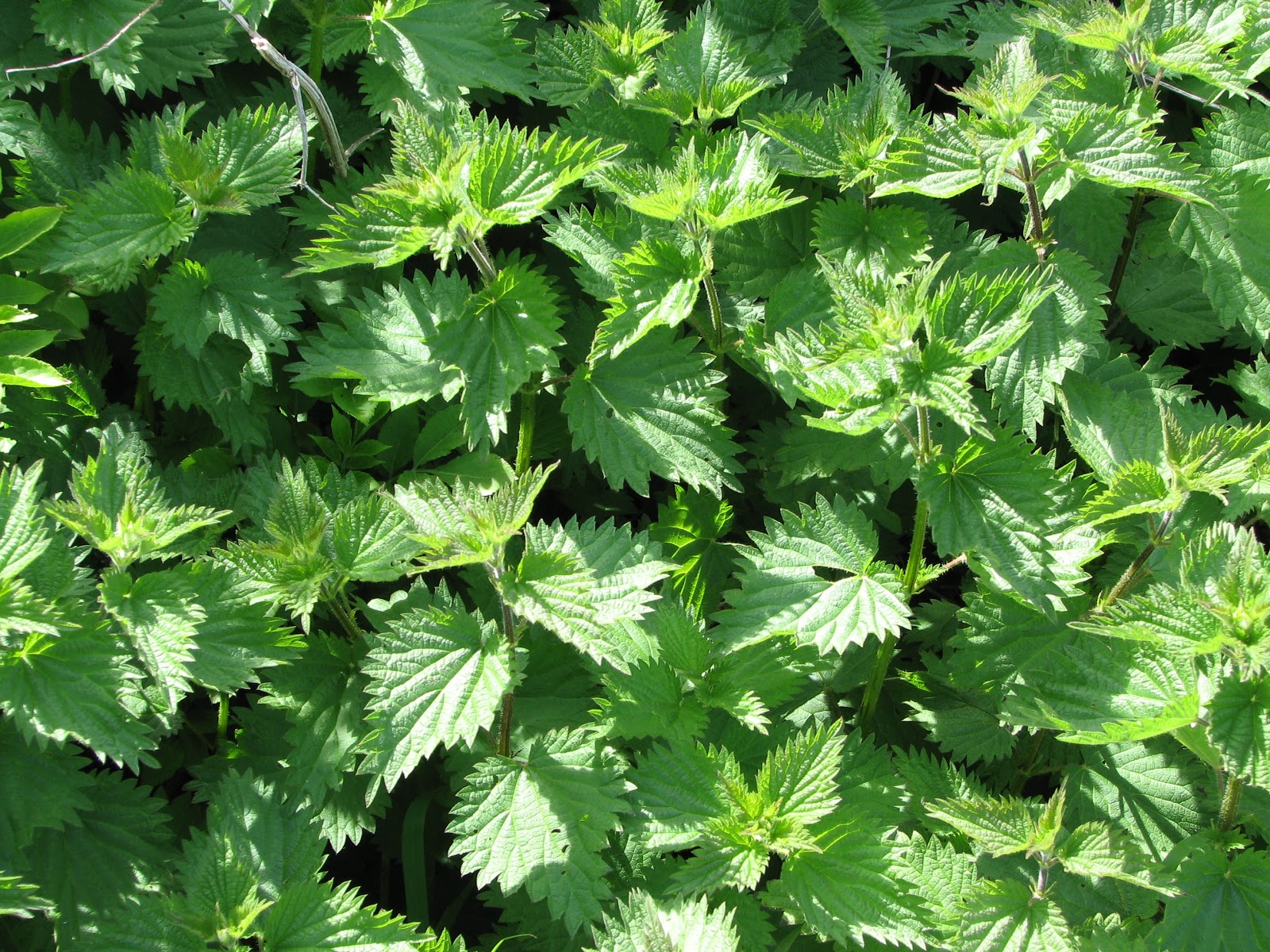
|
Giant Hogweed: Photo credit: 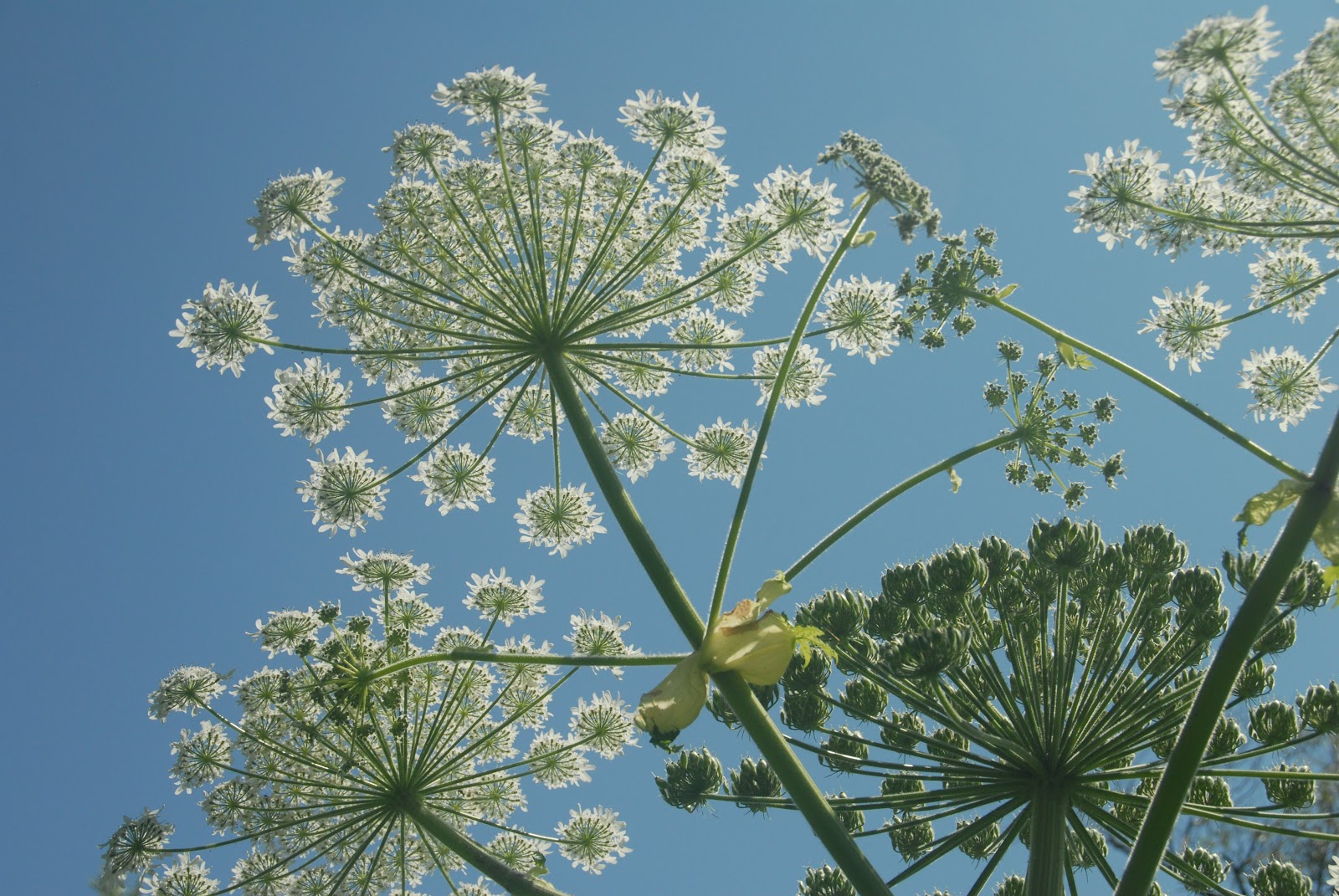
|
Thorny Plants:Photo credit: 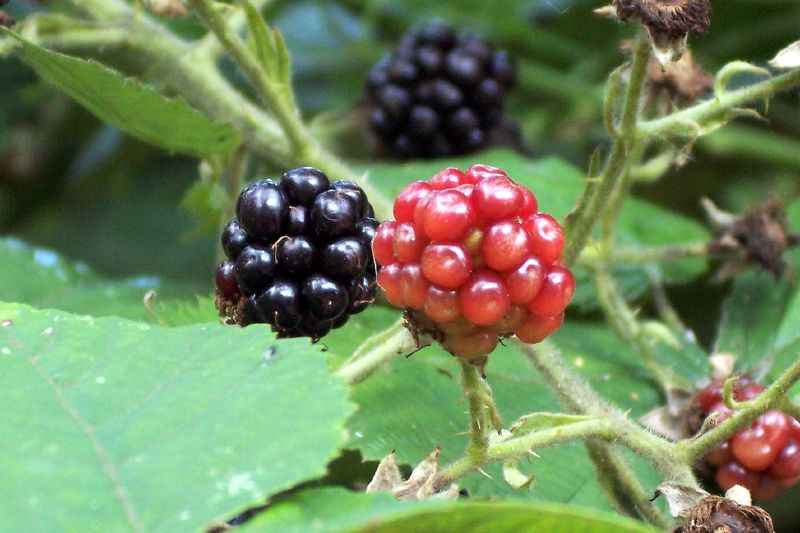
|
Plants that are poisonous when ingested:
These plants have leaves, berries, fruit, flowers, sap, or bulbs that can poison you if you eat them or give you a rash if you touch them.
- Poison hemlock
Photo credit: Dendroica cerulea via Visual Hunt / CC BY-NC-SA

- Foxgloves
Photo credit: dierken via VisualHunt / CC BY

- Lords and ladies
Photo credit: Johnson Cameraface via VisualHunt / CC BY-NC-SA

- Deadly nightshade
Photo credit: Plbmak via Visualhunt.com / CC BY-NC-ND

- Yew
Photo via VisualHunt.com

- Daffodil Bulbs
Photo credit: delayedneutron via VisualHunt.com / CC BY-NC-SA

- Chrysanthemums
Photo via Visualhunt.com

- Snowdrops
Photo credit: matthewvenn via Visual Hunt / CC BY-SA

- Mistletoe
Photo credit: bluefuton via Visualhunt / CC BY-NC-ND

Avoid touching these plants where possible, and do not eat them.
[edit] Find out more
[edit] Related articles on Designing Buildings Wiki
Featured articles
Check out some of the best features and news from Designing Buildings as well as key stories from around the web.
World's first mass timber data centre.

The overlooked environmental aspect of data centre development.
Introduction to radon awareness

New technical information sheet published by CIOB.

Updated supplier guide can help electrical contractors engage with NHP.

CIAT confirm the winners of the 2026 architectural technology awards.

Government launches a one stop shop for flood preparedness.

Sir Edwin Lutyens: Britain's greatest architect? Book review.

CIOB publishes free template to help assess and manage risks.
ECA's reflections on Party Conference season

Burnham wants to be confident of winning before asking for a fresh mandate.
New Chief Construction and Scientific Adviser

Sergio Cavalaro, Professor of Infrastructure Systems at Loughborough University.
Building safety levy for England

CIAT publish estimator tool for members.

Water sector faces a growing crisis that could slow the delivery of vital infrastructure.
Undervaluing our industrial past

Heritage value changes as taste for building styles changes.
Comments
With reference to nettles and using dock leaves to alleviate the rash... try plantain leaves, they are way better!