





Measurement contract
Measurement contracts (sometimes called ‘re-measurement’ or ‘measure and value’ contracts) can be used in situations where the design (or type of works) can be described in reasonable detail, but the amount cannot.
For example, excavation works where the quantity of excavation required is difficult to assess until after the works have begun, or refurbishment projects where there are some uncertainties about the works that will be required. A measurement contract might also be appropriate on projects where the design has not been completed in sufficient detail for bills of quantities to be produced.
It should be possible to describe the works in sufficient detail to determine a programme and to obtain rates from tenderers. Generally, tenderers rates will be based on drawings and approximate quantities.
The actual contract sum (sometimes called the 'ascertained final sum') cannot be determined when the contract is entered into, but is calculated on completion, based on ‘re-measurement’ of the actual work carried out and the rates tendered.
Measurement contracts can allow an early start on site, before design is complete, and they can allow changes to be made to the works relatively easily. However, there is inevitably some risk for the client as the cost of the works is not known. In effect, the client is taking the risk for any ‘unknowns’, and whilst this can result in competitive prices from contractors, the level of uncertainty for the client means that measurement contracts are rare other than on civil engineering projects.
See also: Measured term contract.
[edit] Related articles on Designing Buildings
Featured articles
Check out some of the best features and news from Designing Buildings as well as key stories from around the web.
Grenfell investigation files passed to CPS

Angela Rayner apologises on behalf of the British state.

Electrical contractors need to understand the practical implications.

The real barrier to getting more value from digital technology.

Your guide to The Construction Reset at UKCW Birmingham.

Accommodating the Victorian and Edwardian working woman. Book review.
Rethinking passive fire protection in design

PFP demands the same level of design rigour as structure or services.
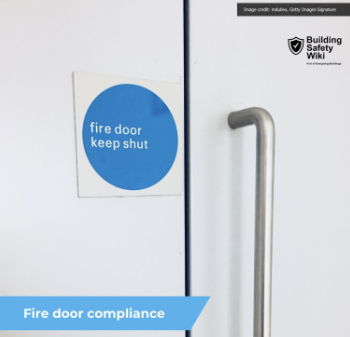
38% of Gen Zs feel safe when a fire door is wedged open.
Stunning images from around the world

Shortlist for CIOB’s Art of Building photography competition.

Guidance for conversion of traditional pre-1919 stone buildings.
Industrial heritage in the Ruhr
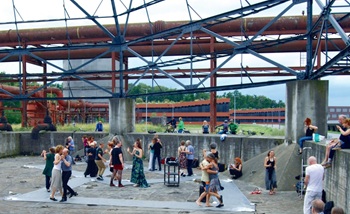
A marked difference to the fate of industrial landscapes in the UK.

Communities will be able to build their own clean energy.
Why diversity and inclusion matters for SMEs

CIOB’s D&I Charter shows how practical changes can support long-term growth.
Comments