





Brick bats and closures
Where necessary, bricks can be cut to special sizes or shapes, for example to finish off a wall at the corners.
Bricks that are cut along their length are sometimes referred to as closers, while those cut across their width are referred to as brick bats. Some common types of closers and brick bats include:
- Queen closer (half) - a half a brick cut lengthways, used at a course end next to the quoin header.
- Queen closer (quarter) - a quarter brick cut lengthways.
- King closer - regular length and thickness a long bevel from one side to about halfway across the adjacent end, leaving a three-quarter brick length for finishing a course on the inside of a corner.
- Bevelled closer - a chamfered half brick cut width ways.
- Mitred closer - a chamfered half brick cut width ways to 45 to 60 degrees.
- Standard bat - a square cut brick across the short length. (not to be confused with a bat brick)
- Half bat - a square cut brick across the short length leaving half. (not to be confused with a bat brick)
- Three-quarter bat - a square cut brick across the short length leaving three quarters. (not to be confused with a bat brick)
- Bevelled bat - an angle cut brick across the short length, at varying distances.
- (Bat brick - a different type of brick entirely and merely describes a brick that is designed with a thin slot on the face and a hollow into the brick, specifically to create a habitat for wild bats in urban areas.)
NB Short Guide: Traditional Scottish Brickwork, published, on 1 March 2014 by Historic Environment Scotland, defines a closer brick as: ‘A brick cut or specifically moulded to expose a half header on the face of a wall and used to complete bonding patterns.’
[edit] Related articles on Designing Buildings
Featured articles and news
A safe energy transition – ECA launches a new Charter
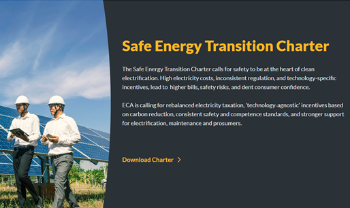
Practical policy actions to speed up low carbon adoption while maintaining installation safety and competency.
Frank Duffy: Researcher and Practitioner

Reflections on achievements and relevance to the wider research and practice communities.
The 2026 Compliance Landscape: Fire doors

Why 'Business as Usual' is a Liability.
Cutting construction carbon footprint by caring for soil
Is construction neglecting one of the planet’s most powerful carbon stores and one of our greatest natural climate allies.
ARCHITECTURE: How's it progressing?
Archiblogger posing questions of a historical and contextual nature.
The roofscape of Hampstead Garden Suburb
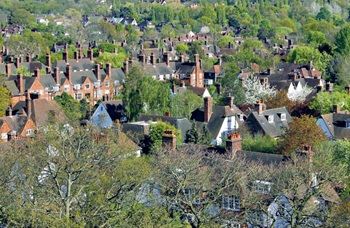
Residents, architects and roofers need to understand detailing.
Homes, landlords. tenants and the new housing standards

What will it all mean?
The Architectural Technology podcast: Where it's AT

Catch-up on the latest episodes.
Edmundson Apprentice of the Year award 2026

Entries now open for this Electrical Contractors' Association award.
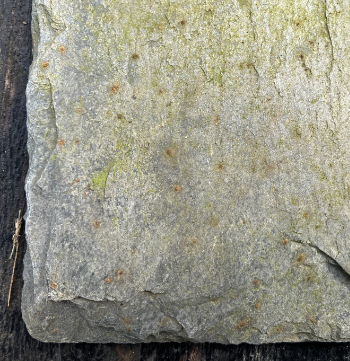
Traditional blue-grey slate from one of the oldest and largest UK slate quarries down in Cornwall.
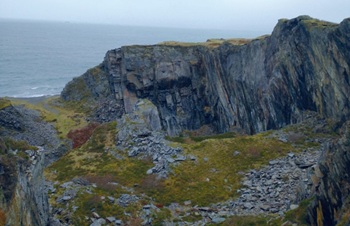
There are plenty of sources with the potential to be redeveloped.
Change of use legislation breaths new life into buildings

A run down on Class MA of the General Permitted Development Order.
Solar generation in the historic environment
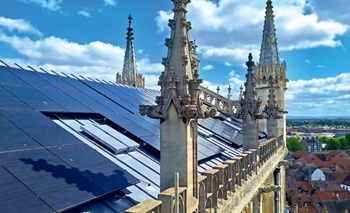
Success requires understanding each site in detail.
Level 6 Design, Construction and Management BSc

CIOB launches first-ever degree programme to develop the next generation of construction leaders.

Open for business as of April, with its 2026 prospectus and new pipeline of housing schemes.
The operational value of workforce health

Keeping projects moving. Incorporating unplanned absence and the importance of health, in operations.