





Sound masking in buildings
Sound masking is the process of adding a low level, unobtrusive background sound to an environment to reduce the intelligibility of human speech and reduce noise distractions in that environment. The sound is typically introduced through speakers installed in or above the ceiling. In many cases, the distractions can be significantly reduced down to about 15 feet.
Sound masking can be used in public buildings, large open office spaces and noisy work environments where distractions can cause a reduction in productivity.
The key to a successful sound masking installation is the uniformity of the sound delivery, the spectrum of the sound and the volume of the sound. Uniform sound delivery requires that the speakers not be facing towards the occupants of the space. As employees circulate through the space, they should not be able to discern the location of the speakers. A consistent sound delivery allows our human brains to filter it and push it out of our consciousness. Successfully achieving this balance of sound frequency and sound levels will determine the success of the system.
[edit] Related articles on Designing Buildings Wiki
- 2015 Government response to media reports about noise complaints
- Airborne noise
- Approved Document E.
- Ash deafening.
- Audio frequency.
- Building acoustics.
- Building Bulletin 93: acoustic design of schools.
- Control of Noise at Work Regulations 2005.
- Decibel.
- Flanking noise
- Flanking sound.
- Impact noise
- New noise guidance
- Noise nuisance.
- Noise pollution.
- Noise v sound.
- Privacy.
- Reverberation time.
- Speech privacy.
- Sound absorption.
- Sound absorption coefficient.
- Sound frequency.
- Sound insulation.
- Sound v noise
- Structure-borne sound.
[edit] External references
Featured articles and news
Costs and insolvencies mount for SMEs, despite growth

Construction sector under insolvency and wage bill pressure in part linked to National Insurance, says report.
The place for vitrified clay pipes in modern infrastructure

Why vitrified clay pipes are reclaiming their role in built projects.

Research by construction PR consultancy LMC published.
Roles and responsibilities of domestic clients
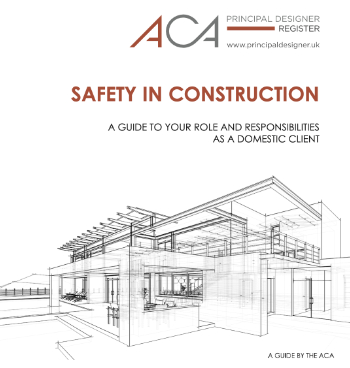
ACA Safety in Construction guide for domestic clients.
Fire door compliance in UK commercial buildings

Architect and manufacturer gives their low down.
Plumbing and heating for sustainability in new properties
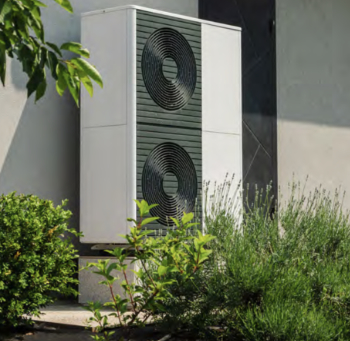
Technical Engineer runs through changes in regulations, innovations in materials, and product systems.
Awareness of the Carbon Border Adjustment Mechanism
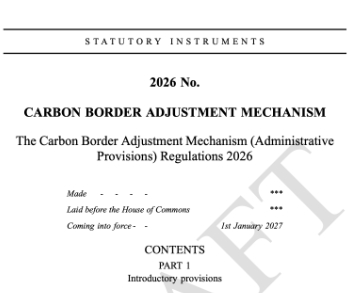
What CBAM is and what to do about it.
The new towns and strategic environmental assessments

12 locations of the New Towns Taskforce reduced to 7 within the new towns draft programme and open consultation.

Buildings that changed the future of architecture. Book review.
The Sustainability Pathfinder© Handbook
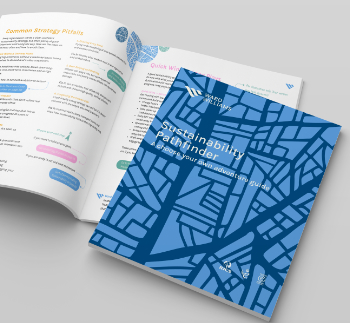
Built environment agency launches free Pathfinder© tool to help businesses progress sustainability strategies.

Government outcome to the late payment consultation, ECA reacts.
IHBC 2025 Gus Astley Student Award winners

Work on the role of hewing in UK historic conservation a win for Jack Parker of Oxford Brookes University.
Future Homes Building Standards and plug-in solar
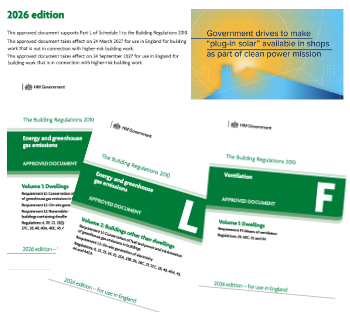
Parts F and L amendments, the availability of solar panels and industry responses.
How later living housing can help solve the housing crisis

Unlocking homes, unlocking lives.
Preparing safety case reports for HRBs under the BSA
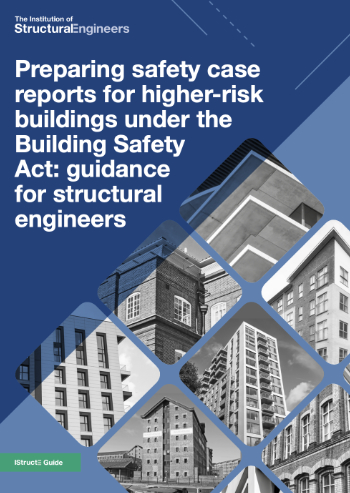
A new practical guide to preparing structural inputs for safety cases and safety case reports published by IStructE.
Male construction workers and prostate cancer

CIOB and Prostate Cancer UK encourage awareness of prostate cancer risks, and what to do about it.