





Review of Different Types of GI Sheets
Contents |
[edit] Introduction
Galvanized iron sheet is one of the most commonly used steel materials in the world for homes, businesses, buildings, industries, automobiles, and so on. It is steel that has been coated with zinc to prevent corrosion and prolong service life.
[edit] Manufacturing method
[edit] Hot dipped galvanized sheet (HDG sheet)
HDG steel sheet is mainly produced by the continuous hot-dip galvanizing process. That is, the steel will be put into the molten zinc bath at temperatures of 500 degrees to form a close alloy film. This process provides a thicker zinc coating, about 30-275 g/m2, and can freeze into crystallized zinc spangles. They are mainly used in outdoor and harsh environments, including construction, machinery, infrastructure, mining, etc.

[edit] Electro galvanized sheet (EG sheet)
EG sheet is also called cold galvanized steel sheet, in which a layer of zinc is bonded to steel in order to protect against corrosion. The zinc coating will be applied by electro-deposition during the continuous electrolytic coating process at room temperature. It offers a thin but uniform zinc coating, about 10-50 g/m2. Its corrosion resistance is not as good as that of hot-dip galvanized steel sheet. Electro galvanized sheet is commonly applied in indoor places and environments that require less corrosion resistance but better aesthetics. Industries include automobiles, furniture, home appliances, vessels, electronic equipment, commerce, etc.
[edit] Corrugated galvanized sheet (CGI sheet)
This takes GI sheets as material and then profiles them into corrugated patterns with a roller mill, which will increase the bending and malleability strength of steel. They come in different forms such as trapezoidal, wavy, ribbed, and tile designs. Sometimes, it is also in the form of a flat sheet.
[edit] Plain GI sheet
Plain galvanized steel sheet is a metal sheet coated with protected metallic and organic zinc coatings, with no extra deformed design. Extensively used in the automobile, transportation, construction, home appliances, and civil engineering industries. It can work as the trunk, back panel or boards. It can be further processed for other uses, such as PPGI sheet/coil, corrugated GI sheet, fencing, steel piping, etc.
[edit] Related articles on Designing Buildings Wiki
Featured articles
Check out some of the best features and news from Designing Buildings as well as key stories from around the web.

A quick introduction.
CLC publishes Mental Health Joint Code of Practice.
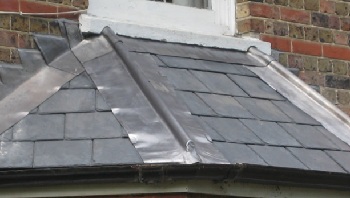
A quick introduction to its uses and risks.
Construction Management, 17 June

Government rolls out digital planning tool to all local authorities.

Your views needed - a strategy for the professions, trades and occupations.

Confronting competency, codes, capacity and costs.

The hidden risk in modern construction supply chains.
Construction Management, 10 June

24 months to 14: CITB launches accelerated apprenticeships.
Bridging the gap between clients and contractors

Concerns remain around contractor quality, capability, and delivery.
Construction Management, 10 June.
Heat pumps beat boilers in new home tests.
Building Safety Act implementation in Wales

CIAT to host industry panel on 26 June.