





Reasonable objection to a named specialist
In February 2013, a change was introduced to the JCT Standard Building Contract 2011 enabling an employer to identify specialists to be used as domestic sub-contractors (that is specialists subcontracted by the main contractor) for identified parts of the works by appropriate entry in the contract particulars. This provides the opportunity for the employer to select a sub-contractor with particular expertise, whilst leaving responsibility for their performance with the main contractor.
There are two ways in which the specialist provisions operate:
- Pre-named specialist: The specialist may be named in the contract together with the work to be carried out.
- Post-named specialist: A provisional sum may be inserted in the bill of quantities, allowing the contract administrator to issue an instruction to name the specialist and identify the works required.
Upon receiving an instruction from the contract administrator in relation to a post-named specialist or a replacement specialist, the contractor is able to raise reasonable objection within seven days. The contract administrator then has a further seven days to either:
- Name an alternative specialist.
- Instruct the contractor to undertake the work itself or through its own sub-contractor.
- Omit the work altogether.
The grounds for reasonable objection by the contractor could include:
- The specialist has a poor safety record.
- If there are reasonable grounds for believing that the specialist may not be financially secure, solvent, reliable or technically competent.
- If the tender sum is not believed to be financially viable.
- Where the programme is deemed to be unreasonable.
Similar provisions are permitted where the contractor is unable to enter into a contract with the named specialist, or where the contractor terminates the specialist’s employment.
If the contractor proposes their own specialist, the employer has seven days from the point at which the contractor notifies them of the proposed replacement to raise any reasonable objection themselves.
The employer may object to the proposed specialist on the grounds that there will be a sub-standard performance. However, since the contractor remains responsible for the performance under the contract, it is rare that such an objection would be deemed valid. Where the employer has a realistic concern that liquidated damages for any delay that arises due to sub-standard performance is an inadequate remedy, the objection may be judged to be reasonable. Likewise if the employer has concerns about the contractor having the resources to fulfil their obligations in the event of things going wrong.
In the event of an objection raised by the employer being deemed reasonable, the contractor must propose a further replacement for consideration.
Adjudication can be used if necessary to determine what constitutes a reasonable objection.
[edit] Find out more
[edit] Related articles on Designing Buildings Wiki
- Construction contracts.
- Contract conditions.
- Extension of time.
- Joint Contracts Tribunal.
- Named specialist work.
- Named subcontractor.
- Nominated subcontractor.
- Subcontractor.
- Supplier.
External references
- ‘The JCT Major Project Form’, JONES, N. F., Blackwell Publishing, (2004)
Featured articles and news
Costs and insolvencies mount for SMEs, despite growth

Construction sector under insolvency and wage bill pressure in part linked to National Insurance, says report.
The place for vitrified clay pipes in modern infrastructure
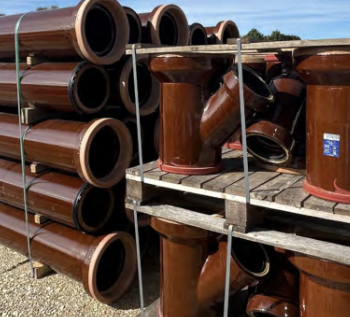
Why vitrified clay pipes are reclaiming their role in built projects.

Research by construction PR consultancy LMC published.
Roles and responsibilities of domestic clients

ACA Safety in Construction guide for domestic clients.
Fire door compliance in UK commercial buildings

Architect and manufacturer gives their low down.
Plumbing and heating for sustainability in new properties

Technical Engineer runs through changes in regulations, innovations in materials, and product systems.
Awareness of the Carbon Border Adjustment Mechanism
What CBAM is and what to do about it.
The new towns and strategic environmental assessments

12 locations of the New Towns Taskforce reduced to 7 within the new towns draft programme and open consultation.

Buildings that changed the future of architecture. Book review.
The Sustainability Pathfinder© Handbook
Built environment agency launches free Pathfinder© tool to help businesses progress sustainability strategies.

Government outcome to the late payment consultation, ECA reacts.
IHBC 2025 Gus Astley Student Award winners

Work on the role of hewing in UK historic conservation a win for Jack Parker of Oxford Brookes University.
Future Homes Building Standards and plug-in solar
Parts F and L amendments, the availability of solar panels and industry responses.
How later living housing can help solve the housing crisis

Unlocking homes, unlocking lives.
Preparing safety case reports for HRBs under the BSA
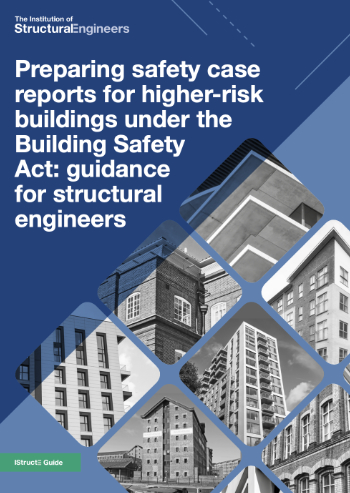
A new practical guide to preparing structural inputs for safety cases and safety case reports published by IStructE.
Male construction workers and prostate cancer

CIOB and Prostate Cancer UK encourage awareness of prostate cancer risks, and what to do about it.