





RIBA domestic building contract
In November 2014, the Royal Institute of British Architects (RIBA) announced that it would launch two building contracts in both print and online formats:
The Domestic Building Contract is for non-commercial projects. The Concise Building Contract is for small commercial projects that are considered straight forward.
They were developed by a member group (set up by the Practice and Profession Committee) and by RIBA Enterprises. They have been created in particular for use by home owners and builders of small projects and can be used alongside the RIBA’s Domestic Agreement and Concise Agreement for the appointment of an architect.
Dale Sinclair, RIBA Vice President of Practice and Profession said, ‘The contracts have been developed to be much simpler, much more straightforward and certainly easier for a contract administrator to sit down with a client and explain’.
The RIBA Domestic Building Contract is a contract between a client and a contractor. It is suitable for construction work carried out to the client’s home such as; renovations, extensions, maintenance and the construction of new buildings. It is intended to be administered by an architect, contract administrator or by an experienced client.
It is written in plain English and accompanied by guidance notes.
It includes provisions for:
- Flexible payment and managing payments to the contractor.
- Proposing suppliers and sub-contractors.
- Project changes.
- Completion in stages.
- Collaborating with the contractor over events that might result in delays or extra costs.
- Contractor design of parts of the project.
- Insurance provisions.
- Certifying the completion of the project.
- Managing defects.
A revised version of the contract was published in 2018. The main changes are:
- Amendments to fully comply with the CDM Regulations.
- Guidance on insurance has been expanded.
- The consents, fees and charges item have been expanded.
- Guidance on dispute resolution has been expanded and simplified.
- The optional programme item has been simplified.
- The optional contractor design item allows a level of professional indemnity insurance to be specified.
- The optional required specialists item has been amended.
- A contract checklist has been included.
For more information about the concise contract, see RIBA Concise Building Contract.
[edit] Related articles on Designing Buildings Wiki
- Appointing consultants.
- Breach of contract.
- Contract administrator.
- Contract conditions.
- Contract v tort.
- Construction contracts.
- Contracts under seal v under hand.
- Domestic building.
- Essentials of a contract.
- Minor works.
- Modifying clauses in standard forms of contract.
- NEC3.
- Procurement route.
- RIBA.
- RIBA Concise Building Contract.
- Sub-contract.
[edit] External references
Featured articles
Check out some of the best features and news from Designing Buildings as well as key stories from around the web.

Your views needed - a strategy for the professions, trades and occupations.

Confronting competency, codes, capacity and costs.

The hidden risk in modern construction supply chains.
Construction Management, 10 June

24 months to 14: CITB launches accelerated apprenticeships.
Bridging the gap between clients and contractors

Concerns remain around contractor quality, capability, and delivery.
Construction Management, 10 June.

Heat pumps beat boilers in new home tests.
Building Safety Act implementation in Wales

CIAT to host industry panel on 26 June.
New and updated CLC building safety guidance.
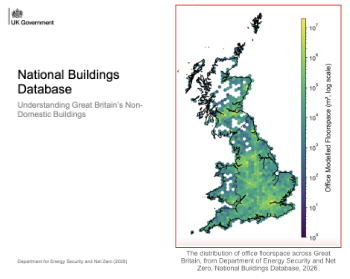
New UK National Buildings Database.
Building Safety Wiki Interviews

Chief executive of the British Woodworking Federation.
Planning condition discharge in England and Wales

A brief explanation from a building compliance expert, with further links.