





Predicted Energy Assessment (PEA)
A Predicted Energy Assessment (PEA is normally required when selling a property prior to its construction, often called an off-plan sale. A PEA is a predicted version of the Standard Assessment Procedure (SAP) investigating its thermal efficiency and its environmental Impact (CO2) and is based on the same SAP calculations required at design stage.
The SAP calculation forms the basis of the Energy Performance Certificate (EPC) which is required for both domestic and commercial buildings when the existing building is being rented or sold. The Predicted Energy Assessment (PEA) is in effect the same approach but for buildings not yet built, it needs to be produced during the design phase of the project, submitted along with the final SAP calculation and carried out by a qualified On Construction Domestic Energy Assessor (OCDEA), given accreditation by the government.
Predicted Energy Assessments fall under The Home Information Pack Regulations 2007; UK Statutory Instruments 2007 No. 992 described under schedule 3:
"A predicted energy assessment must—
- (a) display prominently the title “Predicted Energy Assessment”;
- (b )contain the following statement—
“This document is a Predicted Energy Assessment required to be included in a Home Information Pack for properties marketed when they are incomplete. It includes a predicted energy rating which might not represent the final energy rating of the property on completion. Once the property is completed, the Pack should be updated to include information about the energy performance of the completed property.”
- (c) contain the address or proposed address (which may include a plot number) of the property;
- (d) be compiled otherwise than by a visual inspection of the property;
- (e) contain the predicted asset rating of the building—
- (i) based on its plans and specifications; and
- (ii )expressed in a way approved by the Secretary of State under regulation 17A of the Building Regulations 2000; and
- (f) contain an explanation of that predicted asset rating."
[edit] Related articles on Designing Buildings
- Building Performance Evaluation.
- Display Energy Certificate.
- Domestic Energy Assessor.
- Energy Performance Certificate.
- Energy Assessment.
- Energy Audit.
- Energy Savings Opportunity Scheme.
- Energy Performance of Buildings Directive.
- Energy Performance of Buildings Regulations.
- Post Occupancy Evaluation.
Featured articles and news

We're expanding our collaborative mission by launching DB Intelligence, an exclusive market research advisory panel. Built environment professionals can now get paid to share their expertise on industry trends, products and services.
Panel members receive direct financial incentives for participating in research projects like short surveys, 1-2-1 interviews and focus groups. Register today to shape the future of the construction sector.
Building Control Independent Panel final report
A precis of a key report led by Dame Hackitt with full recommendations and link to the government response.
Guide to ISO 19650 for Architecture Firms (2026)
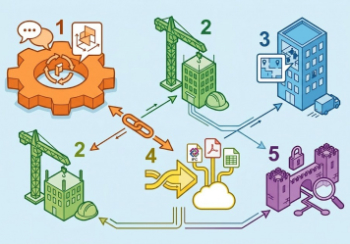
A user gives their low down.

A UK training and membership provider for mould remediation professionals.
Building Safety recap April, 2026

A short and longer run-through of the month, with links to further information and sources.
CIAT May 2026 briefing.

Independent NSI and BAFE study exploring how organisations are changing the way they buy fire safety services.

From medieval scribes to modern word art.

ECA welcomes crackdown on late payment and push for clean energy, whilst CIOB seek fixed cladding removal timeframes.
Cyber Security in the Built Environment
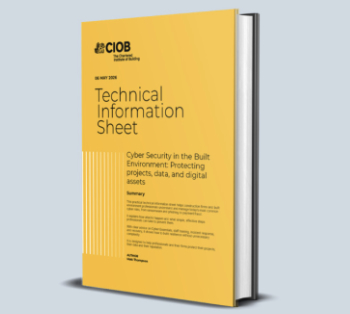
Protecting projects, data, and digital assets: A CIOB Academy TIS.
Managing competence in the built environment

ITFG publishes new industry guide on how to meet the ICC principles.

The UK's campaign to reduce noise pollution: Mythbusting, articles and topic guides.