





Pre design studies
The design process is generally considered to begin at the concept design stage.
It is preceded by a host of non-design activities, such as business justification, brief development, feasibility studies and options appraisals, and it is followed by design development, technical design, procurement, construction and handover and close out.
Whilst pre-design studies such as feasibility studies and options appraisals may include the prepration of diagrams to assess whether a potential site or building type is possible given the project parameters and constraints, they are not designs. They are intended only to help identify the client's requirements, establish that those requirements are feasible and determine whether the project should proceed in a particular direction.
The concept design represents the design team's initial response to the project brief, and the concept design stage is generally considered to be the most creative stage of a project's development .
For more information see:
- Business justification
- Brief development
- Feasibility studies
- Options appraisals
- Concept design
- Design development
- Technical design
- Procurement
- Construction
- Handover and close out.
[edit] Related articles on Designing Buildings Wiki
Featured articles
Check out some of the best features and news from Designing Buildings as well as key stories from around the web.
Grenfell investigation files passed to CPS

Angela Rayner apologises on behalf of the British state.

Electrical contractors need to understand the practical implications.

The real barrier to getting more value from digital technology.

Your guide to The Construction Reset at UKCW Birmingham.

Accommodating the Victorian and Edwardian working woman. Book review.
Rethinking passive fire protection in design

PFP demands the same level of design rigour as structure or services.

38% of Gen Zs feel safe when a fire door is wedged open.
Stunning images from around the world
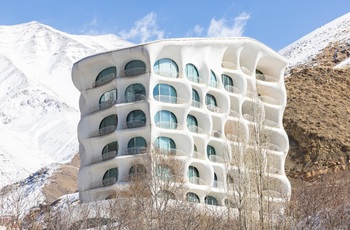
Shortlist for CIOB’s Art of Building photography competition.
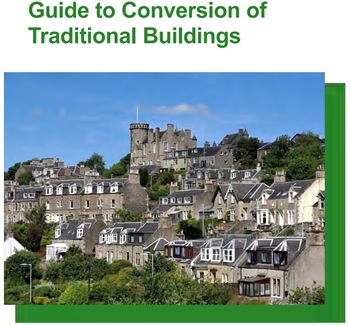
Guidance for conversion of traditional pre-1919 stone buildings.
Industrial heritage in the Ruhr
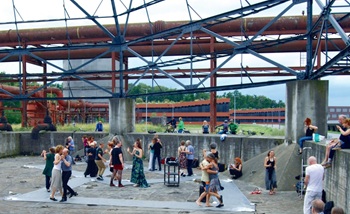
A marked difference to the fate of industrial landscapes in the UK.

Communities will be able to build their own clean energy.
Why diversity and inclusion matters for SMEs

CIOB’s D&I Charter shows how practical changes can support long-term growth.