





Neighbourhood Planning Bill 2016-17
On 7 September 2016, the Neighbourhood Planning Bill 2016-17 was introduced into Parliament to support housebuilding and give more say about developments to local people.
Announced by the Housing and Planning Minister Gavin Barwell, the Bill is intended to speed up and strengthen the neighbourhood planning process by simplifying the revision of plans in response to changes in circumstances and to ensure that plans come into force more quickly once approved.
In addition, the compulsory purchase order process will be simplified, making it clearer, fairer and faster. The government believe that at present the process can be unnecessarily uncertain and complex, based on a patchwork of statute and case law.
Other measures are intended to ensure that planning conditions are only used where strictly necessary, so that once permission has been granted, construction can begin as soon as possible.
Gavin Barwell said: “We have already built more than 900,000 homes since 2010 and now this Bill will help speed up delivery of the further new homes our country needs and ensure our foot is still firmly on the pedal. We’re also going further than ever before to speed up neighbourhood planning which puts power in the hands of local people to decide where development gets built.”
However, the Bill, originally described as a Neighbourhood Planning and Infrastructure Bill has received criticism for watering down or omitting several key elements previously announced in the Queen's speech in May 2016. These included; giving the National Infrastructure Commission a statutory basis, privatisation of the Land Registry and protection of the Green Belt.
A consultation was launched, seeking views on detailed regulations to implement the neighbourhood planning provisions in the Bill:
- the detailed procedures for modifying neighbourhood plans and Orders
- the examination of a neighbourhood plan proposal where a neighbourhood area has been modified and a neighbourhood plan has already been made in relation to that area
- requirement for local planning authorities to review their Statements of Community Involvement at regular intervals.
During the second reading of the Bill in the House of Lords In January 2017, members expressed concern about the proposed measures for restricting pre-commencement planning conditions. Baroness Young of Old Scone asked whether there “...really is solid and independent evidence – not just evidence given by developers – that pre-commencement conditions slow down their delivery of housing development”. Lord Kennedy said, “It is not very sensible for the government to seek to address issues which are generally accepted as not being a problem while failing to address issues that are.”
More than 30 amendments were tabled during the first report stage of the Bill in the House of Lords on 23 February 2017.
In 15 March 2017, amendments were either accepted or withdrawn, and the Bill was passed by the House of Lords.
[edit] Related articles on Designing Buildings Wiki
- Community group.
- Community rights.
- Compulsory purchase.
- Crichel Down rules.
- Development plan.
- Land Registry.
- Local development order.
- Local plan.
- Localism Act.
- Green belt.
- National Infrastructure Commission.
- Neighbourhood development orders.
- Neighbourhood planning.
- Planning permission.
- Property blight.
- Safeguarded land.
Featured articles and news
Costs and insolvencies mount for SMEs, despite growth

Construction sector under insolvency and wage bill pressure in part linked to National Insurance, says report.
The place for vitrified clay pipes in modern infrastructure

Why vitrified clay pipes are reclaiming their role in built projects.

Research by construction PR consultancy LMC published.
Roles and responsibilities of domestic clients

ACA Safety in Construction guide for domestic clients.
Fire door compliance in UK commercial buildings

Architect and manufacturer gives their low down.
Plumbing and heating for sustainability in new properties

Technical Engineer runs through changes in regulations, innovations in materials, and product systems.
Awareness of the Carbon Border Adjustment Mechanism
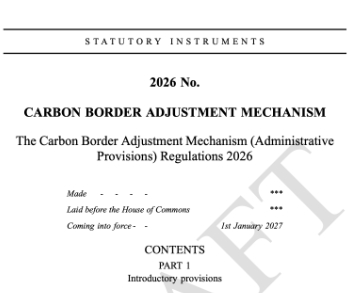
What CBAM is and what to do about it.
The new towns and strategic environmental assessments
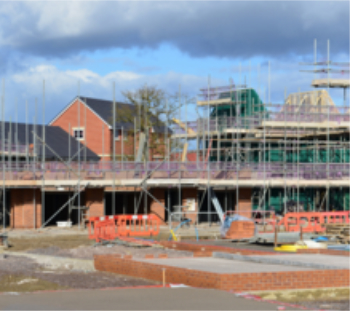
12 locations of the New Towns Taskforce reduced to 7 within the new towns draft programme and open consultation.
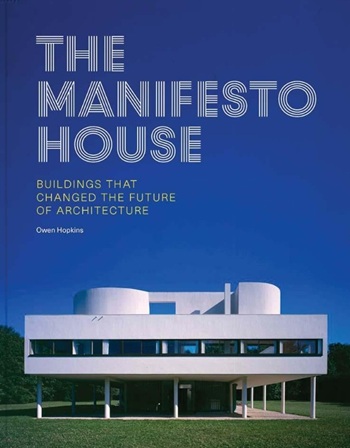
Buildings that changed the future of architecture. Book review.
The Sustainability Pathfinder© Handbook
Built environment agency launches free Pathfinder© tool to help businesses progress sustainability strategies.
Government outcome to the late payment consultation, ECA reacts.
IHBC 2025 Gus Astley Student Award winners

Work on the role of hewing in UK historic conservation a win for Jack Parker of Oxford Brookes University.
Future Homes Building Standards and plug-in solar
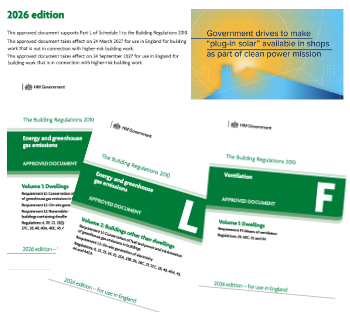
Parts F and L amendments, the availability of solar panels and industry responses.
How later living housing can help solve the housing crisis

Unlocking homes, unlocking lives.
Preparing safety case reports for HRBs under the BSA
A new practical guide to preparing structural inputs for safety cases and safety case reports published by IStructE.
Male construction workers and prostate cancer

CIOB and Prostate Cancer UK encourage awareness of prostate cancer risks, and what to do about it.