





Mineral planning authorities
Mineral resources are natural concentrations of minerals or, in the case of aggregates, bodies of rock that are, or may become, of economic interest due to their inherent properties.
Minerals extraction may only take place if the operator has obtained planning permission and other necessary permits and approvals, such as permits from the Environment Agency, and licenses from Natural England and the Coal Authority.
Ref https://www.gov.uk/guidance/minerals
Mineral planning authorities are unitary authorities that deal with mineral planning issues within their areas. In parts of England where there are two tiers of local government (counties and districts), mineral planning authorities are the county councils. National Parks are also mineral planning authorities.
Ref The HS2 London-West Midlands Environmental Statement, Glossary of terms and list of abbreviations, DETR 2013.
Minerals safeguarding is the process of ensuring that non-minerals development does not prevent the future extraction of mineral resources, of local and national importance. A mineral safeguarding area is an area designated by a minerals planning authority which is safeguarded from unnecessary sterilisation by non-mineral development.
[edit] Related articles on Designing Buildings
Featured articles
Check out some of the best features and news from Designing Buildings as well as key stories from around the web.
Grenfell investigation files passed to CPS

Angela Rayner apologises on behalf of the British state.

Electrical contractors need to understand the practical implications.

The real barrier to getting more value from digital technology.

Your guide to The Construction Reset at UKCW Birmingham.

Accommodating the Victorian and Edwardian working woman. Book review.
Rethinking passive fire protection in design

PFP demands the same level of design rigour as structure or services.

38% of Gen Zs feel safe when a fire door is wedged open.
Stunning images from around the world

Shortlist for CIOB’s Art of Building photography competition.

Guidance for conversion of traditional pre-1919 stone buildings.
Industrial heritage in the Ruhr

A marked difference to the fate of industrial landscapes in the UK.
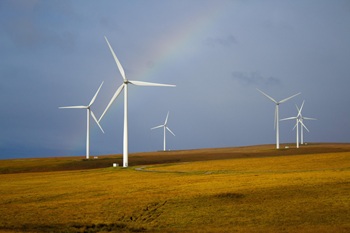
Communities will be able to build their own clean energy.
Why diversity and inclusion matters for SMEs

CIOB’s D&I Charter shows how practical changes can support long-term growth.