





Limestone calcined clay cement LC3
Limestone calcined clay cement - also referred to as LC3 - is a form of cement that is being developed through a manufacturing process that is reduces CO2 emissions.
The production of LC3 requires limestone (15%) and low grade calcined clays (30%) to form a type of supplementary cementitious material or SCM. LC3 also requires gypsum (5%) and clinker (50%). While there is still clinker in LC3, the amount is significantly less than in Portland cement (up to 95%).
Clinker is not considered environmentally friendly, since it is produced at high temperatures. Producing SCM for LC3 requires less energy and so contributes to the CO2 reduction properties of LC3.
The development of LC3 began in 2004 with the exploration of calcined clays as a sustainable SCM replacement for clinker. Additional research has taken place with the support of various funding agencies to develop technical viability.
In 2020, additional funding was granted by the Swiss Agency for Development and Cooperation (SDC). With this support, experimental production of LC3 has begun in different parts of the world, with plans to expand the scale globally.
In November 2025 Heidelberg Materials Trading announced "Expanding Sustainable Solutions in Cement Production-. As part of our ongoing commitment to provide environmentally conscious solutions to our customers, we are pleased to announce the addition of Calcined Clay to our product portfolio."
"About Calcined Clay: Calcined Clay is a sustainable and innovative material suitable for use in cement production. To produce calcined clay, raw clay minerals are heated to between 650°C and 950°C. The resulting calcined clay can be used to reduce the proportion of traditional clinker in cement. Since CO₂ emissions from clay calcination are significantly lower than emissions from clinker production, substituting clinker with calcined clays significantly reduces the cement produced. It is possible to achieve cements with carbon dioxide (CO2) emissions up to 40% lower compared to traditional cement. Our Commitment to Sustainability: This new product offering demonstrates our dedication to delivering environmentally friendly solutions and assisting our clients in meeting their sustainability objectives."
[edit] Related articles on Designing Buildings
- Clinker in construction.
- Concrete.
- Limestone for building.
- Portland cement.
- Urban mining to reinvent concrete.
[edit] External resources
Featured articles
Check out some of the best features and news from Designing Buildings as well as key stories from around the web.

Your views needed - a strategy for the professions, trades and occupations.
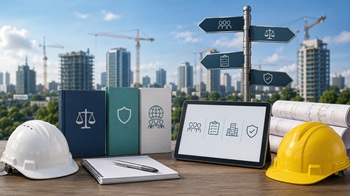
Confronting competency, codes, capacity and costs.
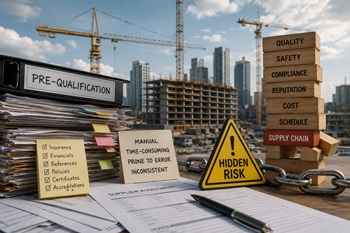
The hidden risk in modern construction supply chains.
Construction Management, 10 June

24 months to 14: CITB launches accelerated apprenticeships.
Bridging the gap between clients and contractors
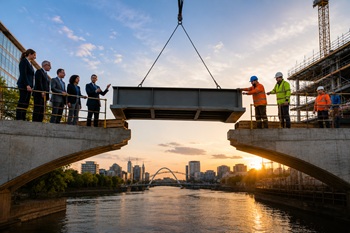
Concerns remain around contractor quality, capability, and delivery.
Construction Management, 10 June.
Heat pumps beat boilers in new home tests.
Building Safety Act implementation in Wales
CIAT to host industry panel on 26 June.
New and updated CLC building safety guidance.
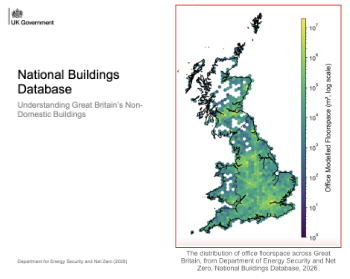
New UK National Buildings Database.
Building Safety Wiki Interviews

Chief executive of the British Woodworking Federation.
Planning condition discharge in England and Wales

A brief explanation from a building compliance expert, with further links.