





Jet stream ( el nino and la nina)
The jet stream is a fast-moving current of air that circles the globe at high-altitude, in a west-to-east direction, primarily in the upper troposphere and lower stratosphere. It plays an important role in determining weather patterns and climate across the world.
El Niño, means little boy in Spanish and La Niña, little girl, the former name dates back to the 1800’s, when fishermen on the Pacific coast of South America noticed that warm ocean currents would appear every few years around Christmas, negatively impacting fish catches and livelihoods of communities on the coast of Peru.
These two sibkings are infact complex warming and cooling weather patterns that occur in the Pacific Ocean. Together they describe the extreme cold and warm phases of the El Nino-Southern Oscillation (ENSO) which jointly cause changes in atmospheric pressure, weather and ocean related phenomena altering the behaviour of the jet stream, impacting weather patterns across the globe.
El Niño refers to a warming of the sea surface temperature in the central and eastern Pacific Ocean and east winds blow weaker than they normally do. La Niña on the other hand refers to a cooling of the same area with stronger east winds. El Niños typically occur every 3 to 5 years when, and during an event the jet stream tends to shift southward, resulting in wetter and cooler conditions. El Nino causes, for example cooler, wetter conditions in southern US and dryer, warmer conditions in the northern US and Canada. This can also lead to increased rainfall in South America, parts of Africa, and Australia, while causing droughts in Indonesia and Southeast Asia, as well as reducing the number of hurricanes forming in the Atlantic Ocean.
On the other hand, during a La Niña event, the jet stream tends to shift northward, resulting in cooler and wetter conditions in the Pacific Northwest and northern Rocky Mountains,with warmer and dryer conditions in the southwestern US. This can also lead to increased rainfall in northern Australia and Southeast Asia, while causing droughts in parts of South America and Africa.
Because of the significant impacts on weather, these shifts in the jet stream can have impacts on agriculture, water resources, and energy production as well as causing natural disasters such as flooding and drought. Understanding the interactions between the jet stream and El Niño and La Niña is a crucial element of predicting weather patterns and longer shifts in climate change. Scientists are using sophisticated computer models to better understand these interactions and how they might change in the future.
There is also another sibling weather pattern, known as Atlantic Niño, which like El Niño is characterised by warmer-than-average sea surface temperatures in the eastern equatorial basin and weaker-than-average trade winds throughout the east-central equatorial Atlantic.
In summary the jet stream is an important factor in determining weather patterns and climate across the globe, and its behaviour is influenced by complex weather patterns such as El Niño and La Niña. By studying these interactions, scientists can improve their ability to predict weather patterns and help communities prepare for the impacts of climate change.
[edit] Related articles on Designing Buildings
Featured articles
Check out some of the best features and news from Designing Buildings as well as key stories from around the web.

Why construction can't afford to ignore the skills gap.
Building Safety Regulator, 19 August

Gill Kernick appointed Independent Chair of Residents’ Panel.
Connecting knowledge, technology and conservation
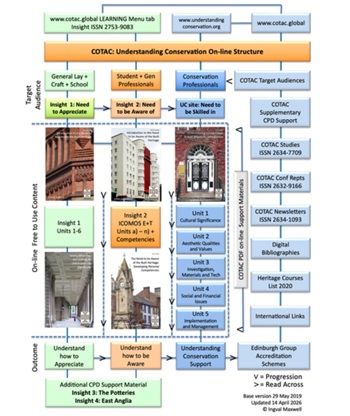
Building competence for the future of built heritage.
Building Regulations and Building Safety Act

CIOB publishes free advice for non-domestic clients.

Building Safety Newsletter from MHCLG.
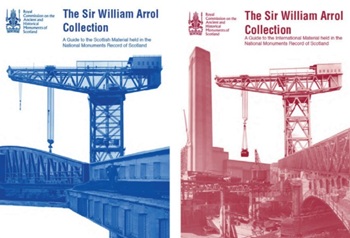
An extraordinary record of steel engineering worldwide.
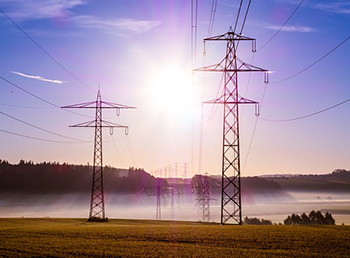
Households living near new pylons to save on bills.

ECA warns growth must not outpace grid capacity or skills.
The role of the client and decision making

CIOB response to built environment professions call for evidence.
Construction's sustainability reporting revolution
Tracking upfront embodied carbon with digital tools.
ECA welcomes procurement reforms

Public spending must back British jobs and skills.
Campaigning for Edinburgh: the Cockburn Association 1875-2049

The role of the civic voice in protecting character. Book review.