





House of Commons, Treasury - Seventeenth Report: Private Finance Initiative
The ‘House of Commons, Treasury - Seventeenth Report: Private Finance Initiative’ was prepared by the Treasury Committee and was published on 18 July 2011. It followed the NAO report ‘Lessons from PFI and other projects’ published in the same year, and gave a damming assessment of the Private Finance Initiative (PFI). The aim of the report was to ‘…aid the Treasury in the work they are doing to reform PFI.’
Typically, PFI projects involve appointing a single, integrated supply team with design, construction and facilities management expertise to design and build a development and then to operate it for a period of time. A special purpose vehicle (SPV), of which the integrated supply team is a part, finances the project and leases it to the government for an agreed period (typically 30 years) after which the development reverts to government ownership.
The Treasury Committee found that PFI projects had a higher financing cost than could have been achieved by the government if it borrowed on its own account, suggesting that whilst the long-term government gilt rate was approximately 4%, the cost of capital for a typical PFI project was over 8%. This, they suggested, represented a significant cost to the tax payer over the life of a project. The committee could see no clear evidence of benefits to justify this cost, finding that the actual cost of construction and other services procured through PFI projects remained broadly the same as if they had been traditionally procured, whilst in some cases (notably in the NHS) the quality had been lower. The report also suggested that PFI was inherently inflexible.
However, they foresaw that if PFI ‘debt’ remained off balance sheet (ie not included in government debt figures), and if it continued to enable departments to leverage their budgets, it was likely to remain a feature of government procurement. The report recommended removing these perverse incentives and suggested that ‘…the Government should be looking to use PFI as sparingly as possible until the VfM (Value for Money) and absolute cost problems … have been addressed’.
On the 5th December 2012, the government announced a new approach to PFI, as part of the Autumn Statement, and published ‘A new approach to public private partnerships‘.
Commonly referred to as PF2, changes include:
- The government will look to become a minority equity investor in PF2 projects.
- A control total will be introduced into government accounts for off-balance sheet PF2 contracts.
- Contracts will no longer include 'soft' services, such as cleaning, catering and perhaps some aspects of maintenance.
- The government will retain certain risks, and take a more appropriate share of others (such as insurances and the risk of changes to the law).
See PF2 for more information.
[edit] Find out more
[edit] Related articles on Designing Buildings Wiki
- Construction industry reports since 1944.
- PFI
- PF2
[edit] External references
Featured articles and news
Costs and insolvencies mount for SMEs, despite growth

Construction sector under insolvency and wage bill pressure in part linked to National Insurance, says report.
The place for vitrified clay pipes in modern infrastructure
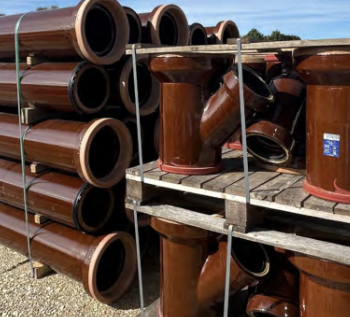
Why vitrified clay pipes are reclaiming their role in built projects.

Research by construction PR consultancy LMC published.
Roles and responsibilities of domestic clients

ACA Safety in Construction guide for domestic clients.
Fire door compliance in UK commercial buildings

Architect and manufacturer gives their low down.
Plumbing and heating for sustainability in new properties

Technical Engineer runs through changes in regulations, innovations in materials, and product systems.
Awareness of the Carbon Border Adjustment Mechanism
What CBAM is and what to do about it.
The new towns and strategic environmental assessments
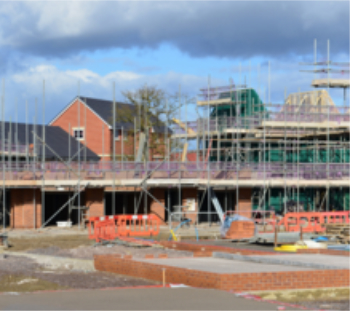
12 locations of the New Towns Taskforce reduced to 7 within the new towns draft programme and open consultation.
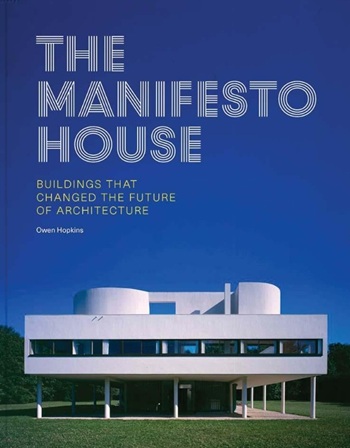
Buildings that changed the future of architecture. Book review.
The Sustainability Pathfinder© Handbook
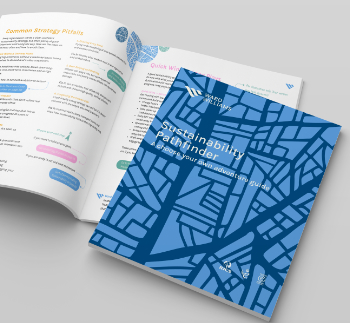
Built environment agency launches free Pathfinder© tool to help businesses progress sustainability strategies.
Government outcome to the late payment consultation, ECA reacts.
IHBC 2025 Gus Astley Student Award winners

Work on the role of hewing in UK historic conservation a win for Jack Parker of Oxford Brookes University.
Future Homes Building Standards and plug-in solar
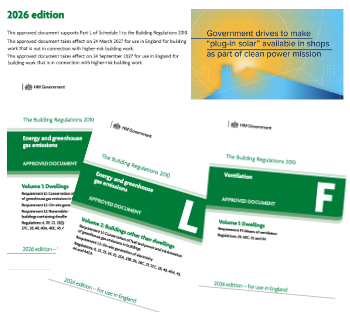
Parts F and L amendments, the availability of solar panels and industry responses.
How later living housing can help solve the housing crisis

Unlocking homes, unlocking lives.
Preparing safety case reports for HRBs under the BSA
A new practical guide to preparing structural inputs for safety cases and safety case reports published by IStructE.
Male construction workers and prostate cancer

CIOB and Prostate Cancer UK encourage awareness of prostate cancer risks, and what to do about it.