





Hospital acquired infections
Patients admitted to or visiting hospitals can develop multiple infections, which are known as hospital-acquired infections (HAIs), or, simply, hospital infections. These conditions generally spread within nursing homes, dialysis centres, rehabilitation centres, outpatient surgery centres, and hospitals. Various bacterial, fungal, and viral pathogens can cause hospital infections. Intensive care units are also a common source of HAIs, which can be treated using antimicrobial drugs. Some therapeutic drugs available for these diseases are CAZ AVI, Surotomycin, MK-3415A, and Ceftolozane.
The growing susceptibility of the neonatal population to HAIs and the booming supply of drugs for these conditions is likely to lead to massive growth in the hospital infection therapeutics market in the coming years. Moreover, the lack of skilled nursing staff in healthcare settings, especially in emerging economies, is a key factor making therapeutic drugs more important. In many countries, these factors will offer pharmaceutical companies the opportunity to increase their production capacity in the coming years.
The number of hospitals is also rising worldwide, primarily due to government efforts to make healthcare more accessible. The World Bank reports the number of hospital beds per 1,000 people around the world increased to 2.894 in 2017 from 2.462 in 2005. A higher number of hospital beds means a larger number of hospital patients, which translates into a higher incidence of various HAIs. Ultimately, this will increase the demand for therapeutic drugs in the coming years.
North America has emerged as the hospital infection therapeutics market leader. The reason is the higher ratio of hospitals to the population of the region compared to other parts of the world. The surging population of ageing people in the continent and the increasing number of multi-drug-resistant microbial pathogens are also significant reasons leading to the rising demand for therapeutic drugs. APAC is also witnessing a rising demand for therapeutic drugs, especially in China and India, due to the growing prevalence of HAIs.
[edit] Related articles on Designing Buildings
Featured articles and news

We're expanding our collaborative mission by launching DB Intelligence, an exclusive market research advisory panel. Built environment professionals can now get paid to share their expertise on industry trends, products and services.
Panel members receive direct financial incentives for participating in research projects like short surveys, 1-2-1 interviews and focus groups. Register today to shape the future of the construction sector.
Social media ban consultation comes to close

CIOB urges UK Government to consider social media’s role in careers guidance in ban debate.
The latest of eight Skills England apprenticeship units

The addition of battery manufacturing welcomed by ECA with a warning about the risks of fast-tracked apprenticeship units.
Building Control Independent Panel final report

A precis of a key report led by Dame Hackitt with full recommendations and link to the government response.
Guide to ISO 19650 for Architecture Firms (2026)
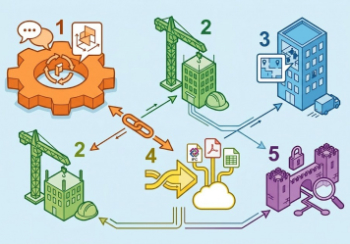
A user gives their low down.

A UK training and membership provider for mould remediation professionals.
Building Safety recap April, 2026

A short and longer run-through of the month, with links to further information and sources.

CIAT May 2026 briefing.

Independent NSI and BAFE study exploring how organisations are changing the way they buy fire safety services.

From medieval scribes to modern word art.

ECA welcomes crackdown on late payment and push for clean energy, whilst CIOB seek fixed cladding removal timeframes.
Cyber Security in the Built Environment

Protecting projects, data, and digital assets: A CIOB Academy TIS.
Managing competence in the built environment

ITFG publishes new industry guide on how to meet the ICC principles.
The UK's campaign to reduce noise pollution: Mythbusting, articles and topic guides.
Comments
[edit] To make a comment about this article, or to suggest changes, click 'Add a comment' above. Separate your comments from any existing comments by inserting a horizontal line.