





Historic Engineering Marvel: Exploring the Structural Wonders of the Great Wall of China
The Great Wall of China, an iconic symbol of Chinese civilisation, stands as one of the most remarkable architectural feats in human history. Stretching for thousands of miles across rugged terrain, this ancient structure is a testament to the ingenuity, perseverance, and engineering prowess of ancient Chinese builders. In this blog post, we will delve into the structural wonders of the Great Wall of China, exploring its historical significance, construction techniques, and enduring legacy.

Contents |
[edit] A Brief History of the Great Wall
The Great Wall of China is not a single, continuous wall but rather a series of fortifications built over centuries to protect the Chinese Empire from invasions. Construction began during the Qin Dynasty (221-206 BCE), when Emperor Qin Shi Huang ordered the unification of existing walls along the northern frontier. Over the following centuries, various dynasties expanded and repaired the wall, resulting in a complex and multifaceted structure.
[edit] The Structural Marvels of the Great Wall
The Great Wall's construction is a testament to ancient Chinese engineering ingenuity. The wall's sections vary in width and height depending on the terrain and defensive needs. In some areas, the wall is wide enough to accommodate multiple layers of troops and equipment. The wall's foundation is typically made of stone or packed earth, providing a solid base for the superstructure. The above-ground portions of the wall are often constructed of rammed earth, a mixture of soil, water, and other materials that is compacted into layers to form a durable structure.
One of the most impressive features of the Great Wall is its system of watchtowers. These strategically placed towers served as observation posts, allowing soldiers to monitor the surrounding countryside and detect potential threats. The watchtowers are often multi-story structures with crenellated walls and lookout platforms. Some towers also included living quarters for soldiers and storage facilities.
[edit] The Challenges of Construction
Building the Great Wall was a monumental undertaking, fraught with challenges. The construction process required a massive workforce, and labourers often faced harsh conditions, including extreme weather, difficult terrain, and the threat of enemy attacks. The transportation of materials, such as stones and timber, over long distances was another significant challenge. Despite these obstacles, the ancient Chinese builders succeeded in creating a structure that has endured for centuries.
[edit] The Great Wall's Enduring Legacy
Today, the Great Wall of China is a UNESCO World Heritage Site and a popular tourist destination. It serves as a symbol of Chinese history, culture, and resilience. The wall's construction techniques and architectural features continue to inspire engineers and architects around the world.
In conclusion, the Great Wall of China is a truly remarkable engineering marvel. Its construction represents a testament to the ingenuity, perseverance, and skill of ancient Chinese builders. The wall's enduring legacy serves as a reminder of the power of human ingenuity and the importance of preserving our cultural heritage.
Featured articles
Check out some of the best features and news from Designing Buildings as well as key stories from around the web.

Confronting competency, codes, capacity and costs.

The hidden risk in modern construction supply chains.
Construction Management, 10 June

24 months to 14: CITB launches accelerated apprenticeships.
Bridging the gap between clients and contractors

Concerns remain around contractor quality, capability, and delivery.
Construction Management, 10 June.

Heat pumps beat boilers in new home tests.
Building Safety Act implementation in Wales

CIAT to host industry panel on 26 June.

New and updated CLC building safety guidance.
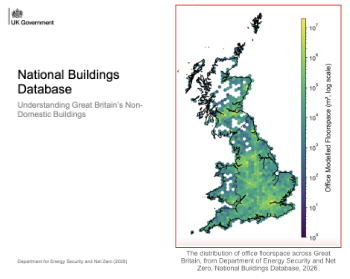
New UK National Buildings Database.
Building Safety Wiki Interviews

Chief executive of the British Woodworking Federation.
Planning condition discharge in England and Wales

A brief explanation from a building compliance expert, with further links.
Overheating guidance and tools for building designers

Guidance for dealing with element of building fabric control that have increasing importance.