





Fluctuation of the supply voltage flicker
BSRIA Power quality guide (AG 2/2000) was written by C C Pearson and V Uthayanan and published by BSRIA in July 2000. It states:
Voltage fluctuations are systematic variations of the voltage envelope or a series of random voltage changes, within the normal voltage range of nominal ± 10%.
Loads which can exhibit continuous, rapid variations in the load current can cause voltage variations that are often referred to as flicker. The term flicker is derived from the impact of the voltage fluctuation on lamps such that they are perceived to flicker by the human eye. Voltage fluctuation is an electromagnetic phenomenon whilst flicker is an undesirable result of the voltage fluctuation in some loads.
The flicker signal is defined by its rms magnitude expressed as a percent of the fundamental. Typically, magnitudes as low as 0.5% can result in perceptible lamp flicker if the frequencies are in the range of 6-8 Hz.
--BSRIA
[edit] Related articles on Designing Buildings
Featured articles
Check out some of the best features and news from Designing Buildings as well as key stories from around the web.

The Building Safety Regulator announces a call for evidence.

Government approach could undermine delivery and regeneration.
World's first mass timber data centre.
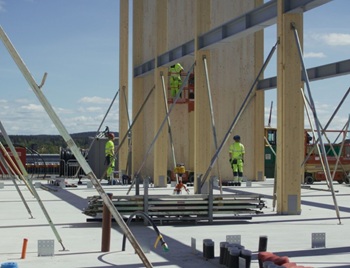
The overlooked environmental aspect of data centre development.
Introduction to radon awareness
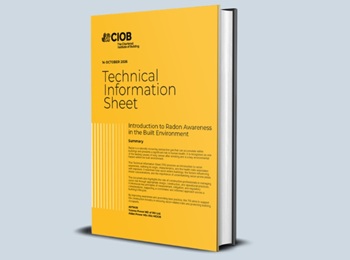
New technical information sheet published by CIOB.

Updated supplier guide can help electrical contractors engage with NHP.

CIAT confirm the winners of the 2026 architectural technology awards.

Government launches a one stop shop for flood preparedness.

Sir Edwin Lutyens: Britain's greatest architect? Book review.
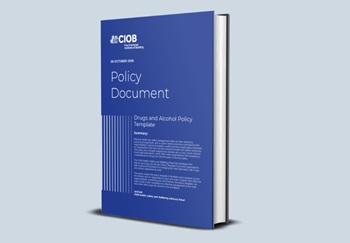
CIOB publishes free template to help assess and manage risks.
ECA's reflections on Party Conference season

Burnham wants to be confident of winning before asking for a fresh mandate.
New Chief Construction and Scientific Adviser

Sergio Cavalaro, Professor of Infrastructure Systems at Loughborough University.
Building safety levy for England

CIAT publish estimator tool for members.