





Fall prevention systems
Fall prevention systems (or fall restraint systems) are safety systems designed to stop personnel from falling when working at height. Ideally, this type of system completely eliminates the hazard by making it inaccessible to personnel.
Fall prevention systems are active, which means workers have to take action in order to be protected. This aspect differentiates them from collective restraint systems, which are passive and require no action on the part of the worker.
Prevention systems use individual restraints to keep workers from falling. They incorporate customised harnesses connected to an anchor and safety line to keep workers from entering areas where hazards are located.
These systems must be professionally installed and should be regularly inspected to ensure compliance with health and safety and CDM (Construction Design and Management) regulations. These can be internal inspections carried out by the contractor, third party audits or external inspections by the Health and Safety Executive.
Fall prevention systems must be replaced when necessary. Training is required for proper use.
[edit] Related articles on Designing Buildings Wiki
- Approved Document K.
- BS 7883.
- BS 7883 guide released.
- Collective restraint systems.
- Construction (Design and Management) Regulations.
- Fall arrest systems.
- Injuries on construction sites.
- Personal fall protection system.
- Safety in high places.
- Safety systems for working at heights.
- Site safety.
- Work at height checklist for managers.
- Work at height regulations.
- Work at height.
- Working at height - our duty to prevent harm and protect each other.
- Work at height rescue plan.
- Working at height training.
[edit] External resources
- Health and Safety Executive, A technical guide to the selection and use of fall prevention and arrest equipment, 2005.
- Health and Safety Executive, Inspecting fall arrest equipment made from webbing or rope, 2009.
- Health and Safety Executive, The Construction (Design and Management) Regulations 2015, 2015.
Featured articles and news
A safe energy transition – ECA launches a new Charter
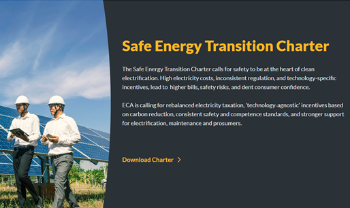
Practical policy actions to speed up low carbon adoption while maintaining installation safety and competency.
Frank Duffy: Researcher and Practitioner

Reflections on achievements and relevance to the wider research and practice communities.
The 2026 Compliance Landscape: Fire doors

Why 'Business as Usual' is a Liability.
Cutting construction carbon footprint by caring for soil

Is construction neglecting one of the planet’s most powerful carbon stores and one of our greatest natural climate allies.
ARCHITECTURE: How's it progressing?
Archiblogger posing questions of a historical and contextual nature.
The roofscape of Hampstead Garden Suburb

Residents, architects and roofers need to understand detailing.
Homes, landlords. tenants and the new housing standards

What will it all mean?
The Architectural Technology podcast: Where it's AT

Catch-up on the latest episodes.
Edmundson Apprentice of the Year award 2026
Entries now open for this Electrical Contractors' Association award.

Traditional blue-grey slate from one of the oldest and largest UK slate quarries down in Cornwall.

There are plenty of sources with the potential to be redeveloped.
Change of use legislation breaths new life into buildings

A run down on Class MA of the General Permitted Development Order.
Solar generation in the historic environment
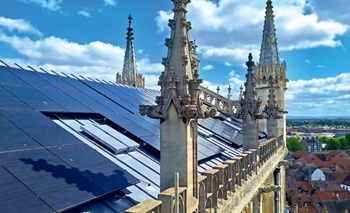
Success requires understanding each site in detail.
Level 6 Design, Construction and Management BSc

CIOB launches first-ever degree programme to develop the next generation of construction leaders.

Open for business as of April, with its 2026 prospectus and new pipeline of housing schemes.
The operational value of workforce health

Keeping projects moving. Incorporating unplanned absence and the importance of health, in operations.