





Domestic water
Water safety in buildings, published by the World Health Organization in 2011, defines domestic water as:
- Water used for all usual domestic purposes, including consumption, bathing and food preparation (WHO, 2008).
- Pertaining to municipal (household) water services as opposed to commercial and industrial water. The term is sometimes used to include the commercial component (Symons et al., 2000).
- Water that is delivered for normal personal use within a household, school or commercial premises (World Plumbing Council, 2008).
NB BG 87/2024, Useful Information Guide, written by Chin Hang “Kay” Lam and published by BSRIA in 2024, defines domestic hot and cold water as: ‘Water provided to outlets such as hot and cold taps, toilet cisterns and washing machines, in any type of building (not just domestic buildings). To avoid confusion, the term “hot and cold water” is used in BSRIA publications.’
[edit] Related articles on Designing Buildings
Featured articles
Check out some of the best features and news from Designing Buildings as well as key stories from around the web.
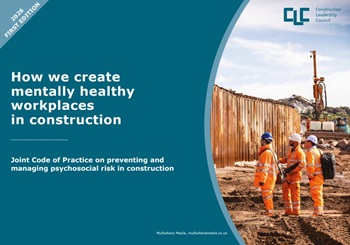
CLC publishes Mental Health Joint Code of Practice.
A quick introduction to its uses and risks.
Construction Management, 17 June

Government rolls out digital planning tool to all local authorities.
Your views needed - a strategy for the professions, trades and occupations.

Confronting competency, codes, capacity and costs.

The hidden risk in modern construction supply chains.
Construction Management, 10 June

24 months to 14: CITB launches accelerated apprenticeships.
Bridging the gap between clients and contractors

Concerns remain around contractor quality, capability, and delivery.
Construction Management, 10 June.
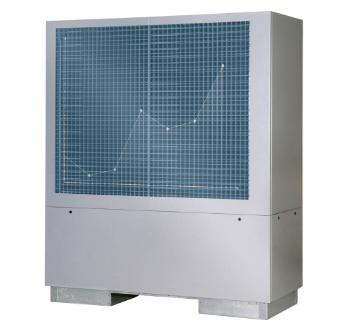
Heat pumps beat boilers in new home tests.
Building Safety Act implementation in Wales

CIAT to host industry panel on 26 June.
New and updated CLC building safety guidance.