





Design freeze
The building design process resolves client requirements into a set of instructions for the construction of a building that satisfies those requirements. It is generally an iterative process in which the design becomes more detailed and more 'fixed' as the project progresses.
Very broadly, the later in the development of the project that changes occur, the greater the impacts on time, cost and quality. At certain stages in the design process therefore, packages of information are provided for client approval, and once this approval has been given, a change control procedure is introduced to ensure that the approved information is not changed without the express permission of the client. This is referred to as a 'design freeze'.
The CIOB Code of practice for project management 4th edition, suggests that the term 'design freeze' refers to:
| Completion and client's final approval of the design and associated processes, i.e. no further changes are contemplated or accepted within the budget approved in the project brief. |
A design freeze may be applied to the entire project, or to a specific aspect of it. There may also be an interim stage referred to as a 'design chill' or 'part freeze'. During this stage, all aspects of the design may continue to evolve, but change controls are placed on any changes to issued design documents. Interim changes may still occur within particular aspects of the works, and when finalised and formally reviewed, they may be incorporated into the design.
Parts of a design can be chilled whilst permitting other aspects to continue to develop; for example, the civil aspects may be chilled, allowing M&E design to continue in the full knowledge that there will be no change to the structure.
For more information see: Design freeze: a quality perspective.
Change controls may be introduced:
- At the end of the concept design stage if the project is tendered at this stage (for example on a design and build project).
- At the end of the concept design stage when the project brief (and employer's information requirements) might be frozen.
- During the detailed design stage when the detailed design, technical design and specification are finalised.
- During the tender stage when the tender documentation has been prepared.
- When the contractor is appointed and any further changes may qualify as variations.
For more information see: Change control.
[edit] Related articles on Designing Buildings
Featured articles
Check out some of the best features and news from Designing Buildings as well as key stories from around the web.
Your views needed - a strategy for the professions, trades and occupations.

Confronting competency, codes, capacity and costs.

The hidden risk in modern construction supply chains.
Construction Management, 10 June

24 months to 14: CITB launches accelerated apprenticeships.
Bridging the gap between clients and contractors

Concerns remain around contractor quality, capability, and delivery.
Construction Management, 10 June.
Heat pumps beat boilers in new home tests.
Building Safety Act implementation in Wales

CIAT to host industry panel on 26 June.
New and updated CLC building safety guidance.
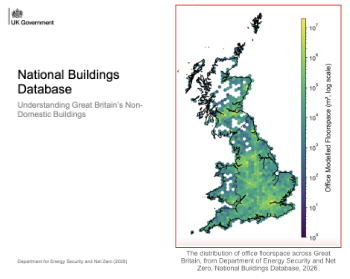
New UK National Buildings Database.
Building Safety Wiki Interviews

Chief executive of the British Woodworking Federation.
Planning condition discharge in England and Wales

A brief explanation from a building compliance expert, with further links.