





National compensation code
The national compensation code (the compensation code or the land compensation code) is the collective term for the principles derived from statute and case law, relating to compensation for compulsory acquisition, which ensures that when land is needed for an infrastructure project, the owners receive compensation to help them relocate. The code also ensures that those who experience real, physical events, for example vibration or noise, from a scheme once it is in operation are entitled to compensation.
Ref The HS2 London-West Midlands Environmental Statement, Glossary of terms and list of abbreviations, DETR 2013.
Formally there is no actual code. It is not a single document, but comprises a collection of enactments, consisting primarily of the Land Compensation Act 1961, the Compulsory Purchase Act 1965 and the Land Compensation Act 1973 (as amended by the Planning and Compensation Act 1991 and the Planning and Compulsory Purchase Act 2004), supplemented by case law informing the effect of these provisions and their predecessors.
Ref Crossrail information paper C2, Operation of the National Compensation Code, Crossrail 2007.
[edit] Related articles on Designing Buildings Wiki
- Compulsory purchase.
- Compulsory purchase orders for listed buildings.
- Crichel Down rules.
- Demolition.
- Empty dwelling management orders.
- Empty housing in London - documentary.
- National planning policy framework.
- Nationally significant infrastructure projects.
- Neighbourhood Planning Bill 2016-17.
- Planning and Compensation Act 1991.
- Planning permission.
- Property blight.
- Safeguarded land.
Featured articles
Check out some of the best features and news from Designing Buildings as well as key stories from around the web.
Grenfell investigation files passed to CPS

Angela Rayner apologises on behalf of the British state.

Electrical contractors need to understand the practical implications.

The real barrier to getting more value from digital technology.

Your guide to The Construction Reset at UKCW Birmingham.

Accommodating the Victorian and Edwardian working woman. Book review.
Rethinking passive fire protection in design

PFP demands the same level of design rigour as structure or services.

38% of Gen Zs feel safe when a fire door is wedged open.
Stunning images from around the world

Shortlist for CIOB’s Art of Building photography competition.
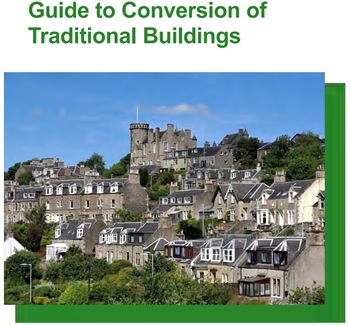
Guidance for conversion of traditional pre-1919 stone buildings.
Industrial heritage in the Ruhr
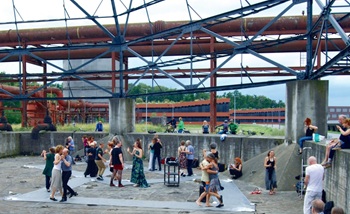
A marked difference to the fate of industrial landscapes in the UK.

Communities will be able to build their own clean energy.
Why diversity and inclusion matters for SMEs

CIOB’s D&I Charter shows how practical changes can support long-term growth.