





Built to suit
Built-to-suit is a property term that describes a scenario in which a developer (or building owner) provides a building that is built (or refurbished) to a tenant’s exact specification. The developer finances the project and is responsible for its design, construction and completion. The developer retains ownership once the land and the building(s) are leased to the tenant.
Built-to-suit properties can range from single units to multi-building facilities. Agreements are usually made between the developer and a single tenant, although more than one tenant may be involved.
According to Savvas Kotsopoulos of law firm Miller Thomson, the arrangement between developer and tenant essentially comprises two agreements:
- A development or construction agreement, the result of a request for proposal (RFP) process, which defines the relationship between the landlord and tenant from the design through construction of the building, and
- A lease agreement which stipulates the terms of the occupancy post-construction. In some cases, the provisions regarding the construction of the building are included in the lease itself or captured in an accompanying ‘work letter’.
The construction aspect of this arrangement is usually the key issue and the most complicated, warranting close attention to the landlord’s and the tenant’s responsibilities in this regard.
Build-to-suit agreements can be highly complex, as they must encompass issues of design, construction, timing and financing and so they must be drafted carefully.
[edit] Further information
For more detailed information, see ‘Laying the Foundation for a Build-to-Suit Lease’, by Savvas Kotsopoulos of Miller Thomson. https://www.millerthomson.com/en/publications/communiques-and-updates/leasing-times/december-3-2012/laying-the-foundation-for-a-build-to-suit/
[edit] Related articles on Designing Buildings Wiki
- Break clauses in leases.
- Build to rent.
- Development appraisal.
- Feasibility studies for construction projects.
- Funding options.
- Funding prospectus.
- Ground rent.
- Housebuilder.
- Landlord and Tenant Act.
- Lease Negotiations - Tenants Checklist.
- Leasehold.
- Overbuild.
- Property development finance.
- Rent to buy.
- Speculative construction.
- Statutory declaration excluding security of tenure.
- Types of development.
- Vacant possession.
Featured articles
Check out some of the best features and news from Designing Buildings as well as key stories from around the web.

A quick introduction to its uses and risks.
Construction Management, 17 June

Government rolls out digital planning tool to all local authorities.

Your views needed - a strategy for the professions, trades and occupations.

Confronting competency, codes, capacity and costs.
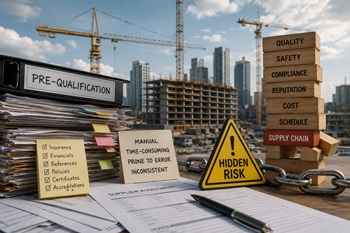
The hidden risk in modern construction supply chains.
Construction Management, 10 June

24 months to 14: CITB launches accelerated apprenticeships.
Bridging the gap between clients and contractors

Concerns remain around contractor quality, capability, and delivery.
Construction Management, 10 June.

Heat pumps beat boilers in new home tests.
Building Safety Act implementation in Wales

CIAT to host industry panel on 26 June.
New and updated CLC building safety guidance.
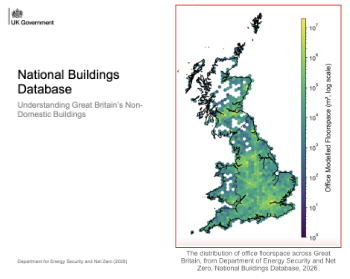
New UK National Buildings Database.