





Subsoil
Subsoil is the layer (or stratum) of soil immediately underneath the surface topsoil.
It is the weathered soil layer extending between the natural topsoil and the unweathered basal layer (geological parent material) below, or similar material on which topsoil can be spread. Subsoil has lower organic matter and plant nutrient content than topsoil. In most cases topsoils require a subsoil to perform one or a number of natural soil functions. Ref The HS2 London-West Midlands Environmental Statement, Glossary of terms and list of abbreviations, DETR 2013.
Typically, subsoil consists of the same variable mixture of minerals and small particles (e.g. sand, silt, clay) as the topsoil, but it has a much lower percentage of organic matter and humus (fine organic matter derived from the decomposition of plant and animal substances).
Subsoil that is clay-based provides the main source of material for cob, rammed earth, wattle and daub and other forms of earthen construction.
Subsoil tends to be paler than its overlying topsoil due to the lack of dark humus, and varies in colour from red to yellow.
The macro- and microscopic organisms that proliferate in topsoil are mostly lacking in the subsoil, although it may contain the deeper roots of some plants and trees. Water run-off results in minerals from the topsoil migrating down into the subsoil which can lead to mineral deficiencies in the topsoil. The knock-on effect of this is that roots have to dig deeper for nutrients.
During construction it can be necessary to strip topsoil, although it should be considered that by exposing the subsoil, the rate of erosion of soil minerals increases.
Beneath the subsoil is the substratum - a layer of residual bedrock, sediments or deposits.
A subsoiler is: 'A tractor-mounted implement used to loosen and break up soil at depths below the level of a traditional plough, disk harrow or rototiller.' Ref High Speed Rail (Crewe – Manchester) Environmental Statement, Glossary, abbreviations and references, published by the Department for Transport in 2022.
[edit] Related articles on Designing Buildings
Featured articles
Check out some of the best features and news from Designing Buildings as well as key stories from around the web.
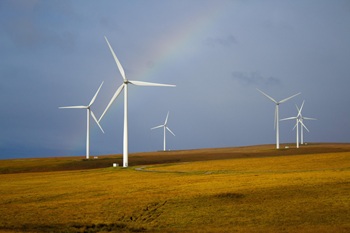
Communities will be able to build their own clean energy.
Why diversity and inclusion matters for SMEs

CIOB’s D&I Charter shows how practical changes can support long-term growth.
Cut electricity bills to power growth

Coalition sends joint letter to the Chancellor.

Gasholders: a history in pictures. Book review.
Recognition, influence and growth

SocEnv identifies three strategic pillars in new strategy to 2045.
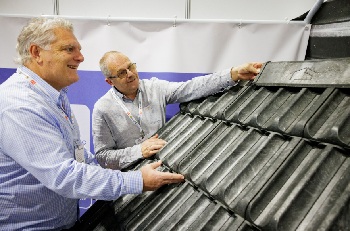
Discover the future of roofing, cladding and insulation.

New guidance for professional practice, cultural change and regulation in social housing.
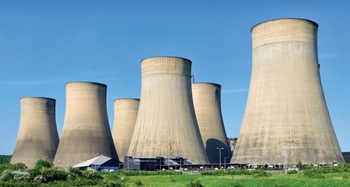
The heritage of nuclear and conventional power stations.
New measures to stop people being ripped off

Government to protect families from cowboy builders and aggressive bailiffs.

New Futurebuild showcase brings an innovation-first approach.
National Planning Policy Framework
Understanding the 2026 changes.
ECA's public affairs priorities

Member consultation opens to shape priorities for 2027 to 2030.
Comments
[edit] To make a comment about this article, click 'Add a comment' above. Separate your comments from any existing comments by inserting a horizontal line.