





Where to study to become a Chartered Architectural Technologist
Architectural technologists lead the technological design of buildings.
'Chartered Architectural Technologist' is a protected descriptor, designation, and regulated professional qualification that recognises an individual's skills, knowledge, experience and behaviours. It demonstrates commitment to the highest professional and ethical values in architectural technology.
Only the Chartered Institute of Architectural Technologists (CIAT) can award the esteemed 'Chartered Architectural Technologist' qualification and the designations MCIAT (Chartered Membership), and FCIAT (Fellow Membership) for Chartered Architectural Technologists who have made a significant contribution to and/or demonstrated excellence in the discipline.
The Chartered Institute of Architectural Technologists (CIAT) recommend that you should enrol on a CIAT Accredited Honours or Masters degree, or equivalent, in Architectural Technology.
CIAT accredits qualifications in Architectural Technology and related subjects at UK honours and masters degree level, and approves programmes at UK Higher National Certificate (HNC) and Higher National Diploma (HND) level.
The accreditation and approval processes ensure that the programmes have been assessed for their content, structure and resources against standards set by the Institute and are an assurance that you will develop your academic, analytical, communication and employability skills required for a career in the industry.
Holders of an approved or accredited qualification will be entitled to certain exemptions when progressing to become a professionally qualified Architectural Technician, TCIAT, or a Chartered Architectural Technologist, MCIAT, with the Institute.
Approved or accredited places to study are available in:
- England
- Scotland
- Wales
- Channel Islands
- Northern Ireland
- Republic of Ireland
- Denmark
- Hong Kong
You can see a full list of approved or accredited places to study are available here.
For more information see: Pathways to qualification with the Chartered Institute of Architectural Technologists (CIAT).
[edit] Related articles on Designing Buildings
- Architectural technologist.
- Architectural design.
- Architectural education.
- Architectural technician.
- Architectural technologist - delineation of roles.
- Chartered Institute of Architectural Technologists.
- CIAT articles.
- Pathways to qualification with the Chartered Institute of Architectural Technologists (CIAT)
- School of Architectural Technology.
- Studying architectural technology.
Featured articles and news
Costs and insolvencies mount for SMEs, despite growth

Construction sector under insolvency and wage bill pressure in part linked to National Insurance, says report.
The place for vitrified clay pipes in modern infrastructure

Why vitrified clay pipes are reclaiming their role in built projects.

Research by construction PR consultancy LMC published.
Roles and responsibilities of domestic clients
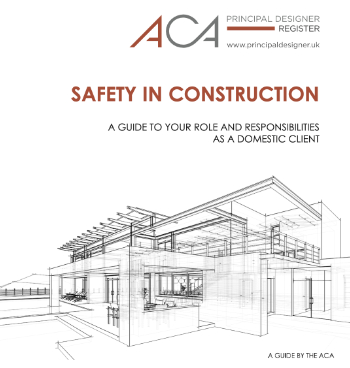
ACA Safety in Construction guide for domestic clients.
Fire door compliance in UK commercial buildings

Architect and manufacturer gives their low down.
Plumbing and heating for sustainability in new properties

Technical Engineer runs through changes in regulations, innovations in materials, and product systems.
Awareness of the Carbon Border Adjustment Mechanism
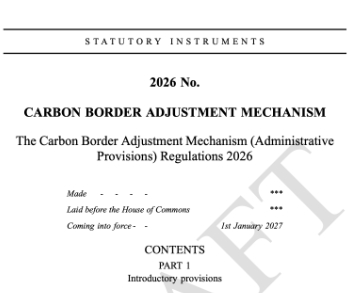
What CBAM is and what to do about it.
The new towns and strategic environmental assessments
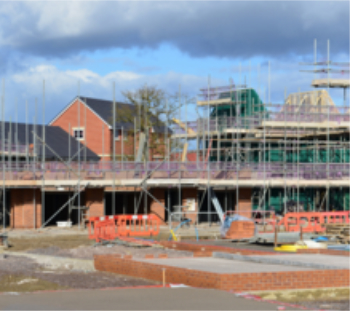
12 locations of the New Towns Taskforce reduced to 7 within the new towns draft programme and open consultation.

Buildings that changed the future of architecture. Book review.
The Sustainability Pathfinder© Handbook
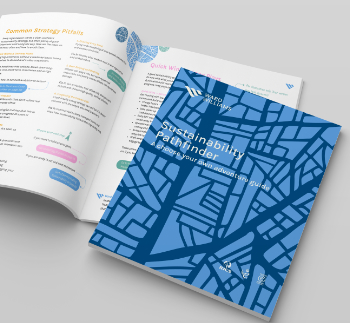
Built environment agency launches free Pathfinder© tool to help businesses progress sustainability strategies.

Government outcome to the late payment consultation, ECA reacts.
IHBC 2025 Gus Astley Student Award winners

Work on the role of hewing in UK historic conservation a win for Jack Parker of Oxford Brookes University.
Future Homes Building Standards and plug-in solar
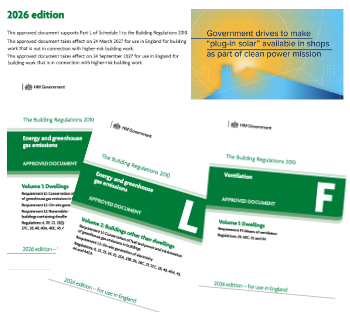
Parts F and L amendments, the availability of solar panels and industry responses.
How later living housing can help solve the housing crisis
Unlocking homes, unlocking lives.
Preparing safety case reports for HRBs under the BSA
A new practical guide to preparing structural inputs for safety cases and safety case reports published by IStructE.
Male construction workers and prostate cancer

CIOB and Prostate Cancer UK encourage awareness of prostate cancer risks, and what to do about it.