





Weather compensation
Direct acting weather compensation is: ‘…a type of control that enables a heat generator to work at its optimum efficiency. The control allows the boiler to vary its operating flow temperature to suit the external temperature conditions and the temperatures inside the building. Weather compensation relies on communication between an external sensor and one inside the boiler. The boiler’s water flow temperature is varied accordingly, so that energy is not wasted by the boiler turning on and off.’
Weather compensation via a mixing valve is: ‘…similar to direct acting weather compensation except that the outside temperature is used to control the temperature of water supplied to the heat emitters by mixing the boiler flow and return rather than by altering the boiler temperature.’
Ref Non-domestic Building Services Compliance Guide For Scotland, 2015 Edition v1.1, published by the Scottish Government, Building Standards Division in April 2018.
NB Approved document L, Conservation of Fuel and Power, Volume 2: Buildings other than dwellings, 2021 edition incorporating 2023 amendments, defines weather compensation as:
A system which enables the operating flow temperature of a heating system to be varied. An external sensor communicates with one inside the boiler. The temperature is varied by either of the following.
- Modulating the heat generator output (direct acting).
- Using a mixing valve to adjust the flow temperature to the heat emitters.
[edit] Related articles on Designing Buildings
Featured articles and news
From medieval scribes to modern word art.

Electrical contractors welcome crackdown on late payment and push for clean energy.
Cyber Security in the Built Environment
Protecting projects, data, and digital assets: A CIOB Academy TIS.
Managing competence in the built environment

ITFG publishes new industry guide on how to meet the ICC principles.

The UK's campaign to reduce noise pollution: Mythbusting, articles and topic guides.
Setting Expectations on Competence Management
Industry Competence Committee.
New Scottish and Welsh governments
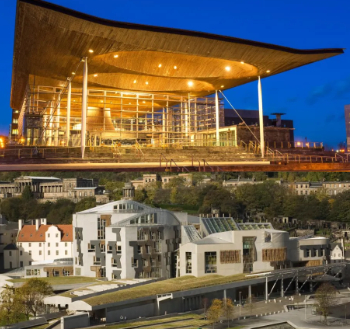
CIOB stresses importance of construction after new parliament elections.
The sad story of Derby Hippodrome
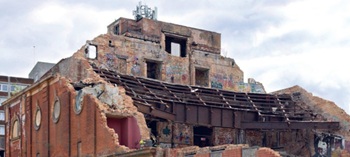
An historic building left to decay.

ECA, JIB and JTL back Fabian Society call to invest in skills for a stronger built environment workforce.

Women's Contributions to the Built Environment.
Calls for the delayed Circular Economy Strategy

Over 50 leading businesses, trade associations and professional bodies, including CIAT, and UKGBC sign open letter.
The future workforce: culture change and skill

Under the spotlight at UK Construction Week London.
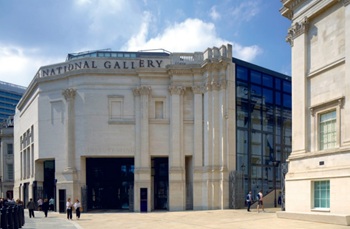
A landmark moment for postmodern heritage.